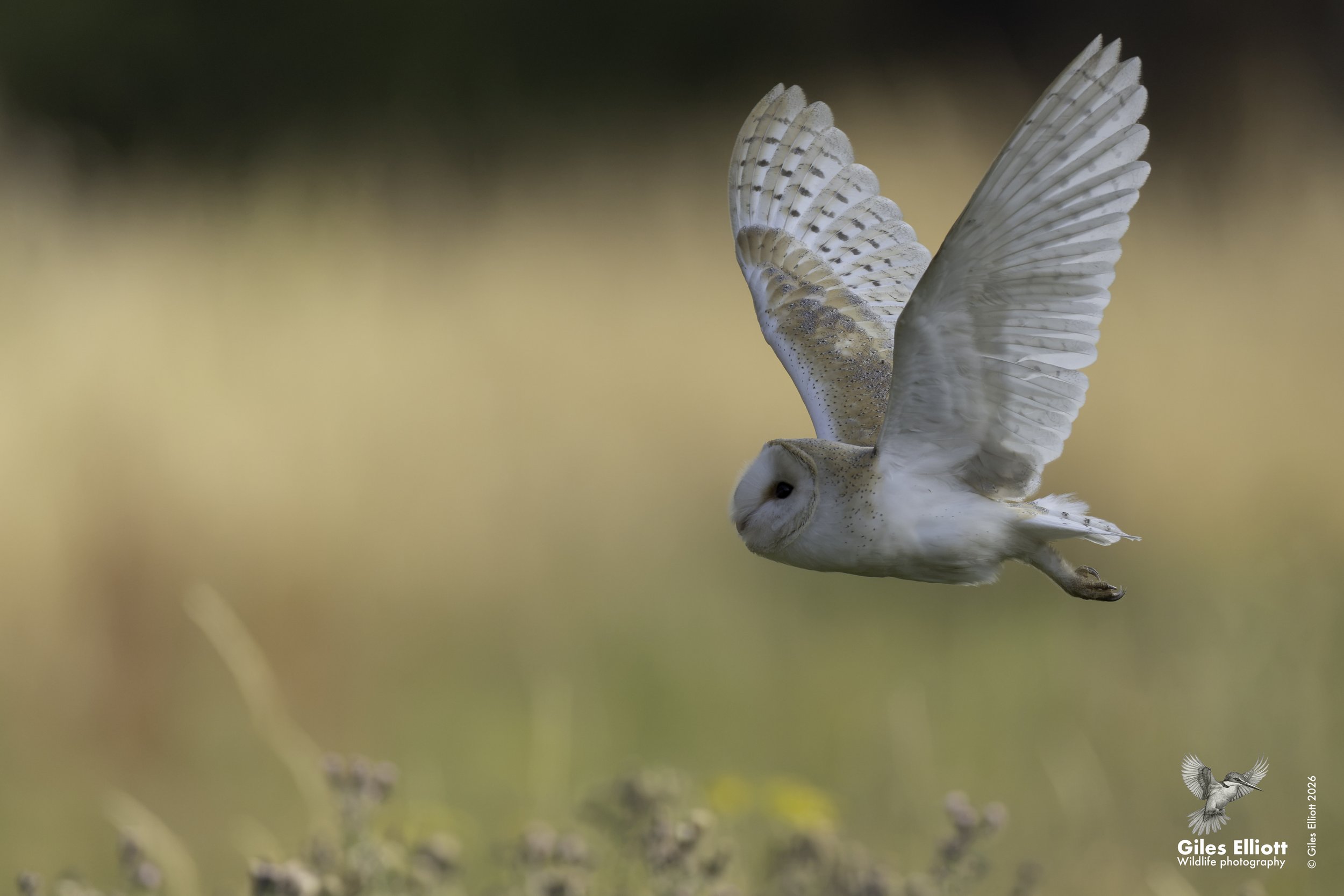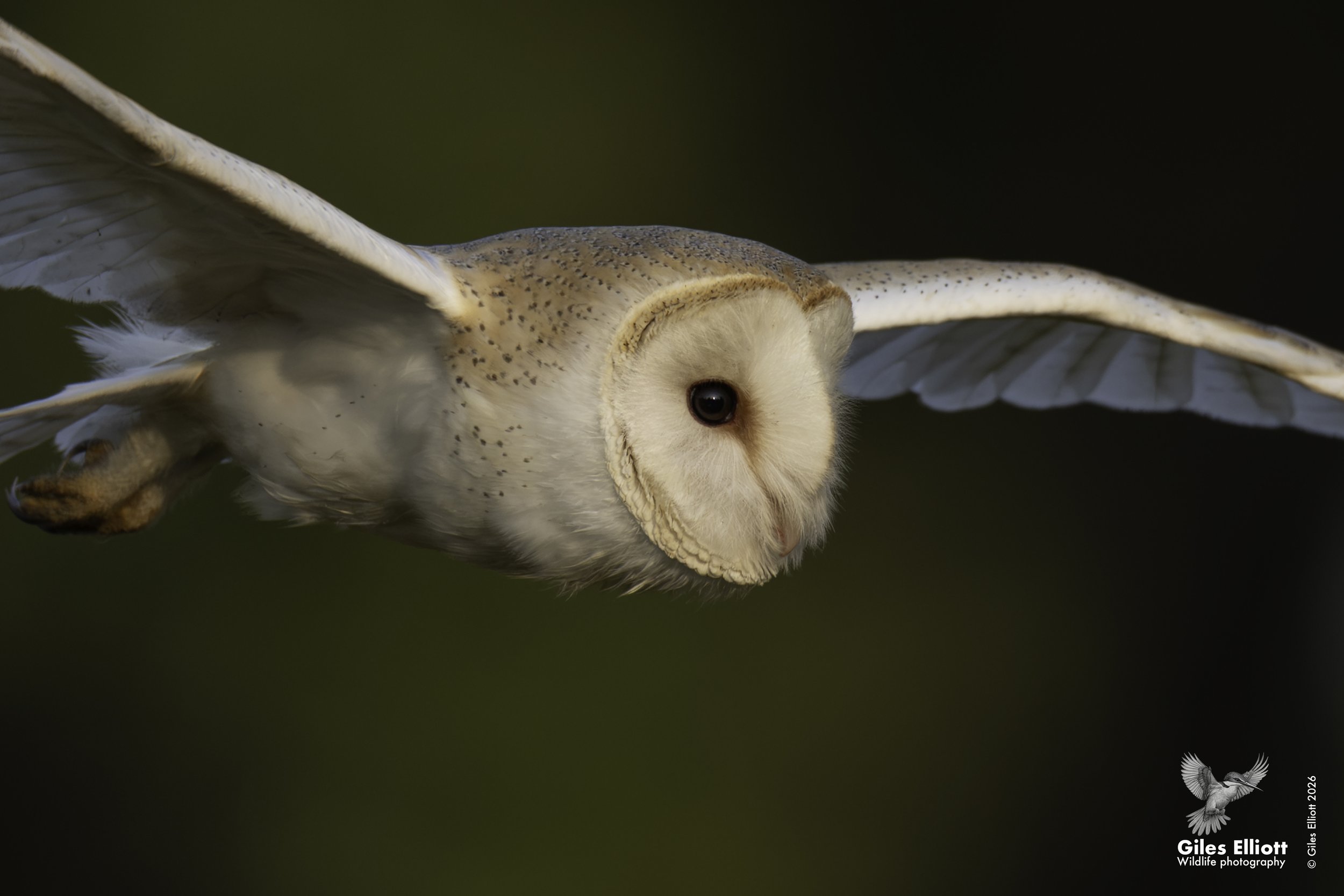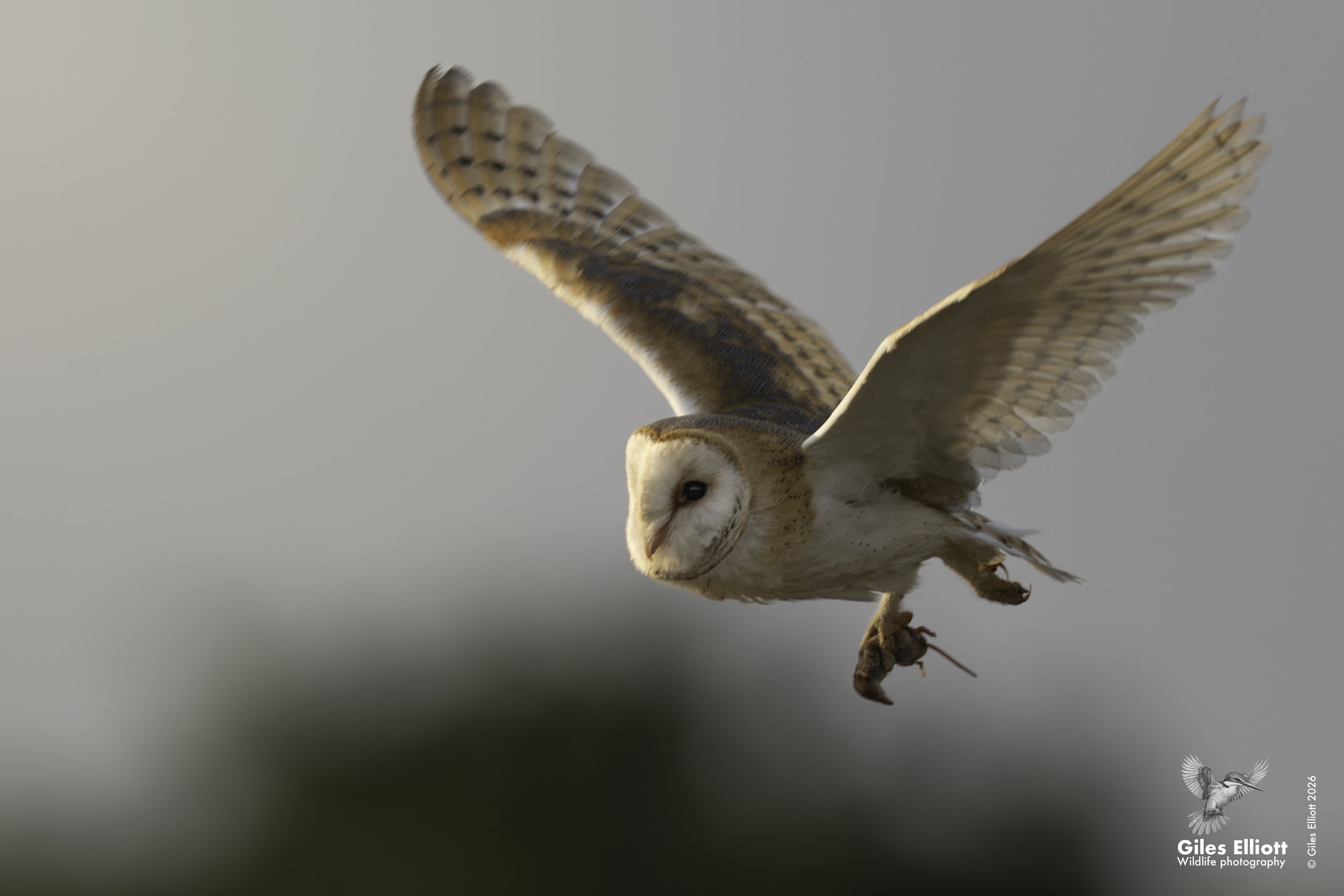
Barn owls
Summer 2026
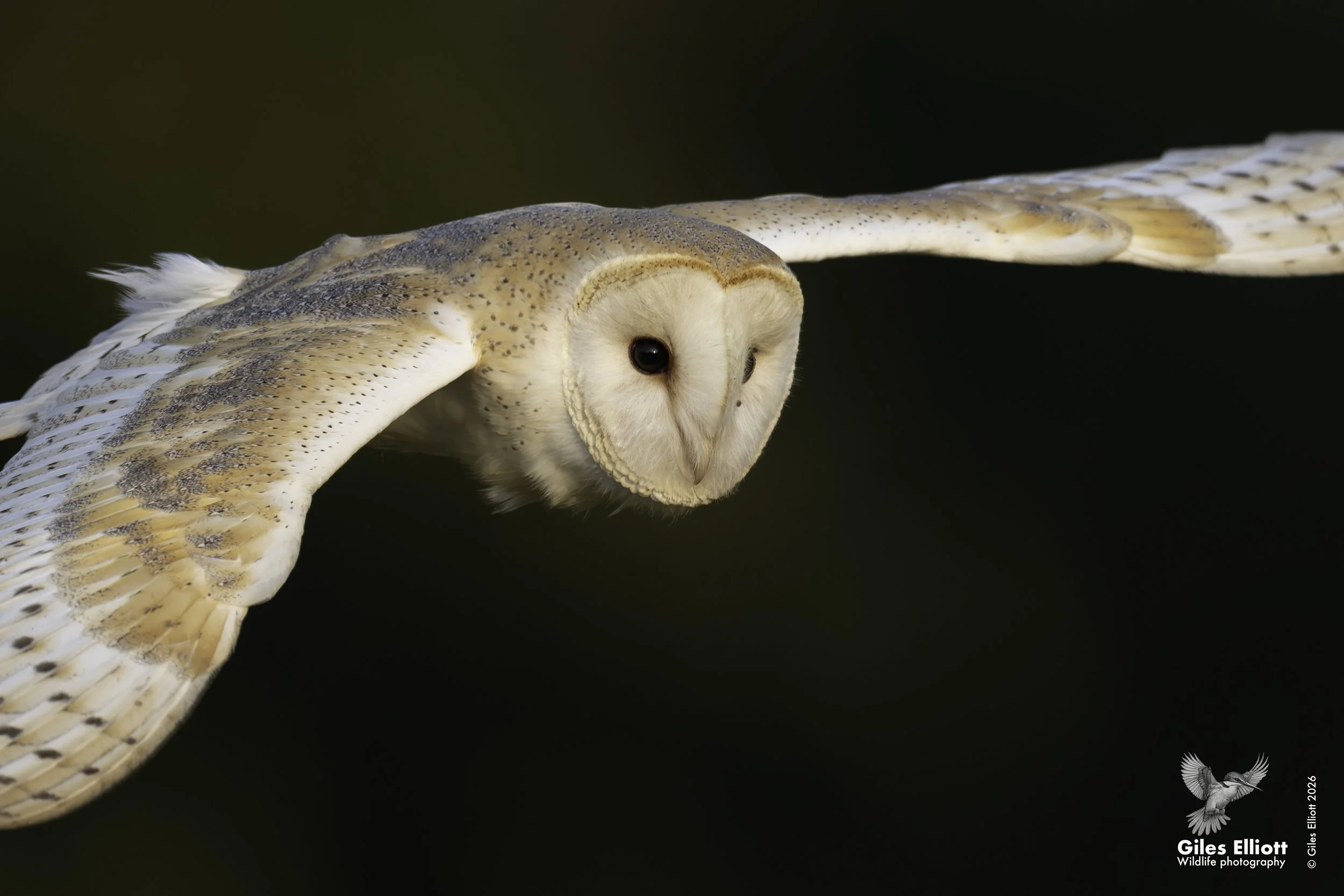
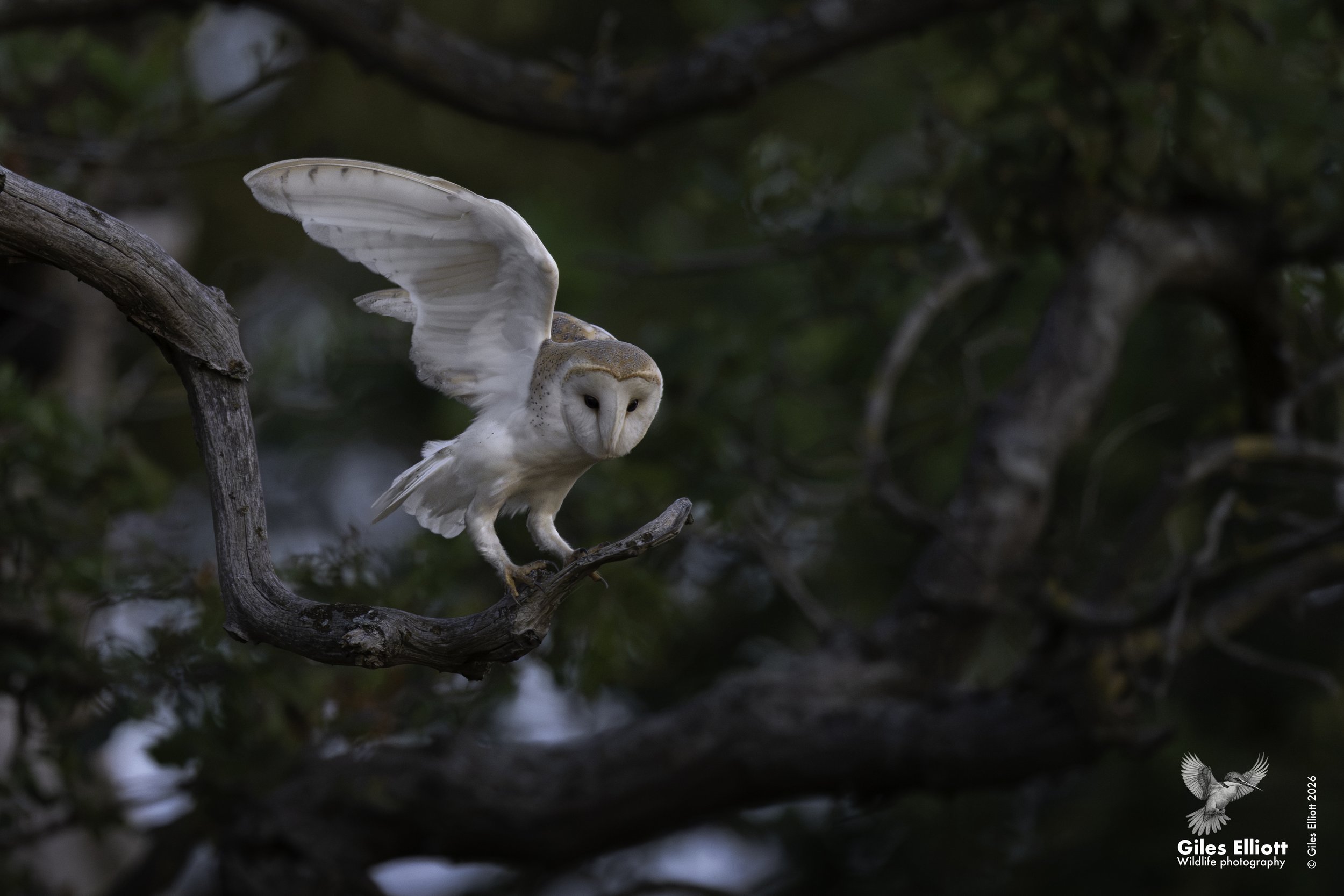
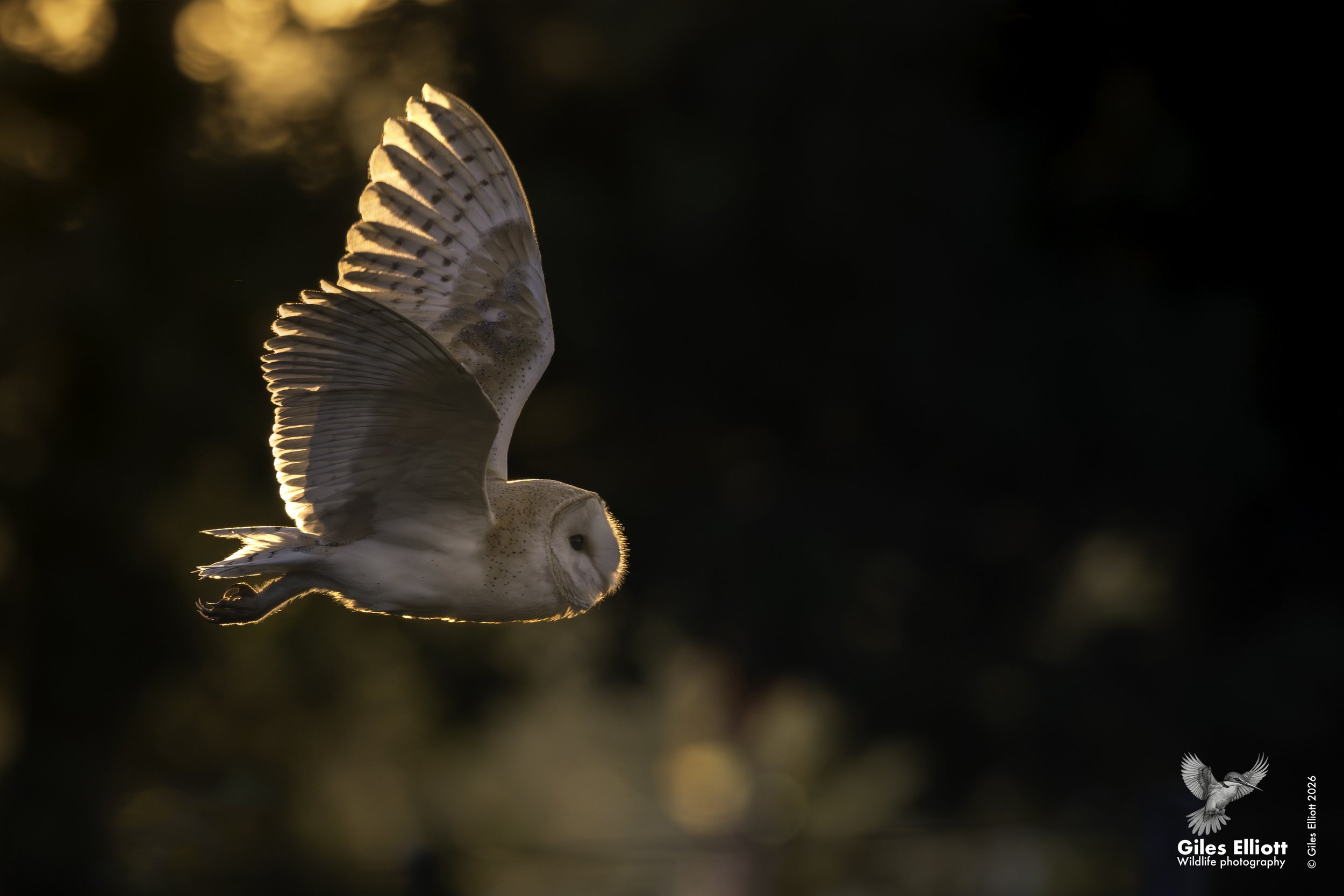
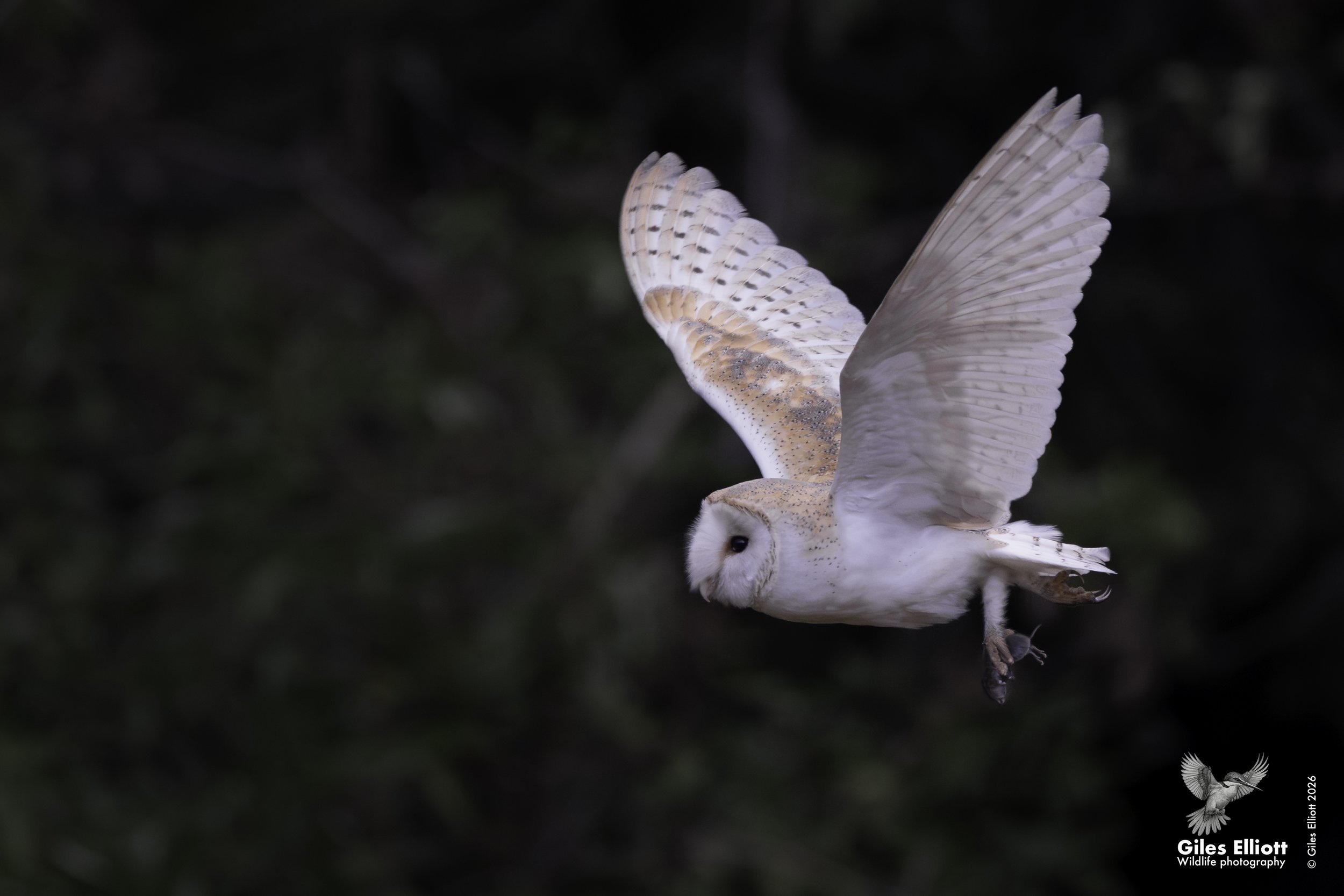
I have long been fascinated by owls, especially the very beautiful barn owl.
The more I have read about them, the more fascinating I find them.
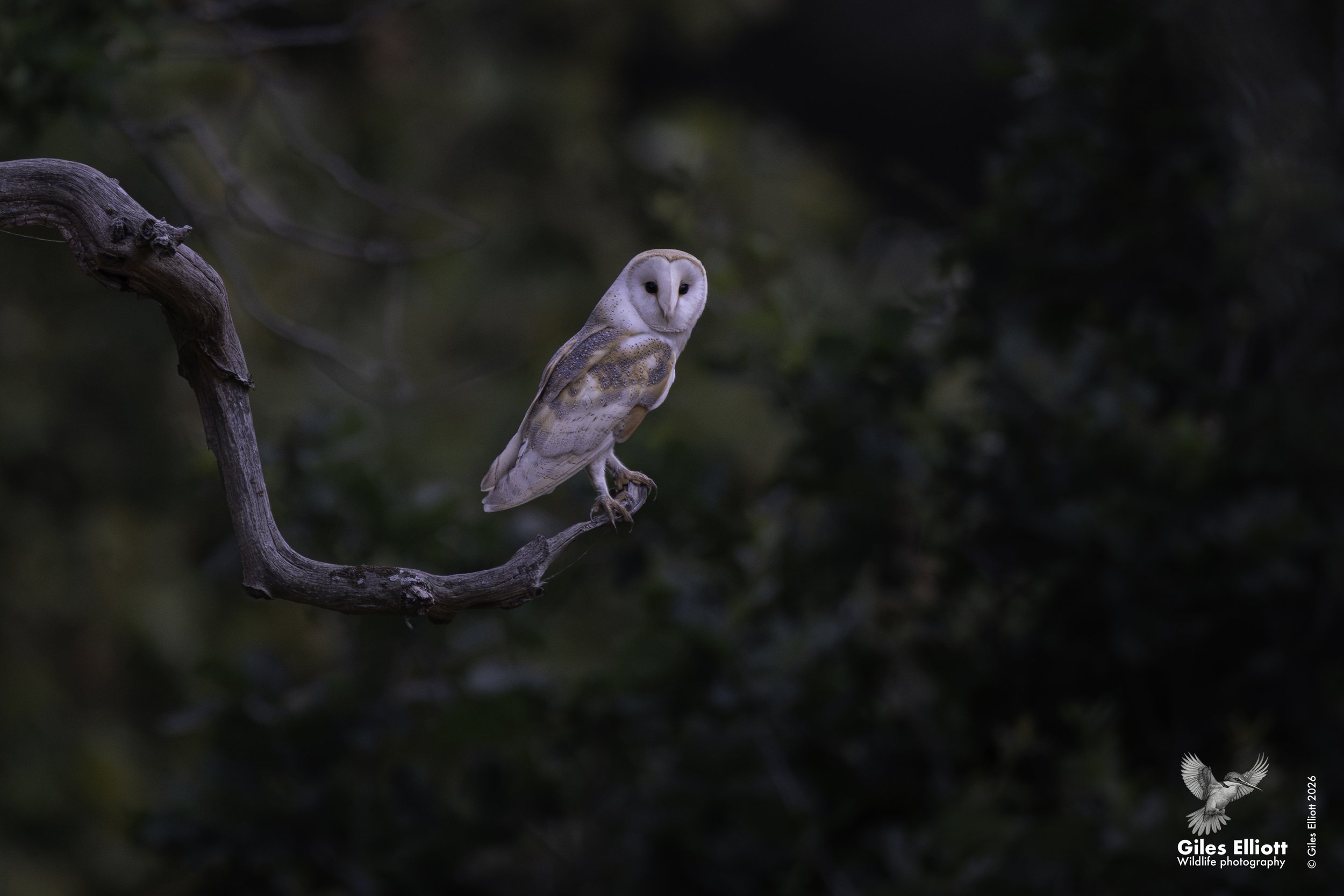
While some cultures see the barn owl as ‘the ghost bird’ and harbinger of death, I prefer the idea of them as wise, enigmatic creatures. I love their curiosity - many of my most memorable encounters have been when I have been standing across a large meadow watching a distant owl, when the owl decides to come over and check me out. It is a complete thrill to have one of these birds choose to come close.
Most years I start looking for barn owls early, long before they start to think about the breeding season ahead. This year though I have only encountered a pair late in their breeding cycle - as it turned out, a few days before their young fledged.
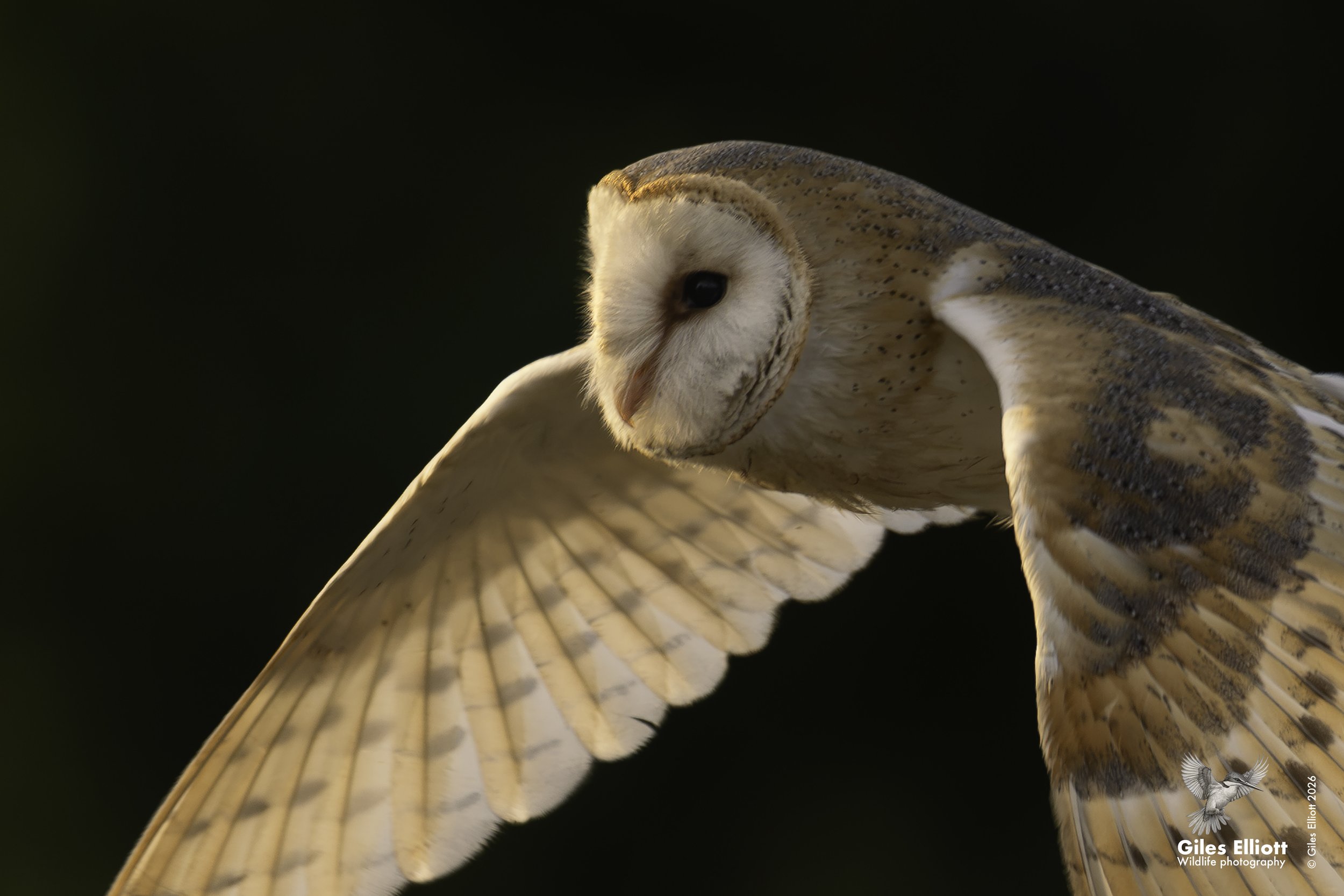
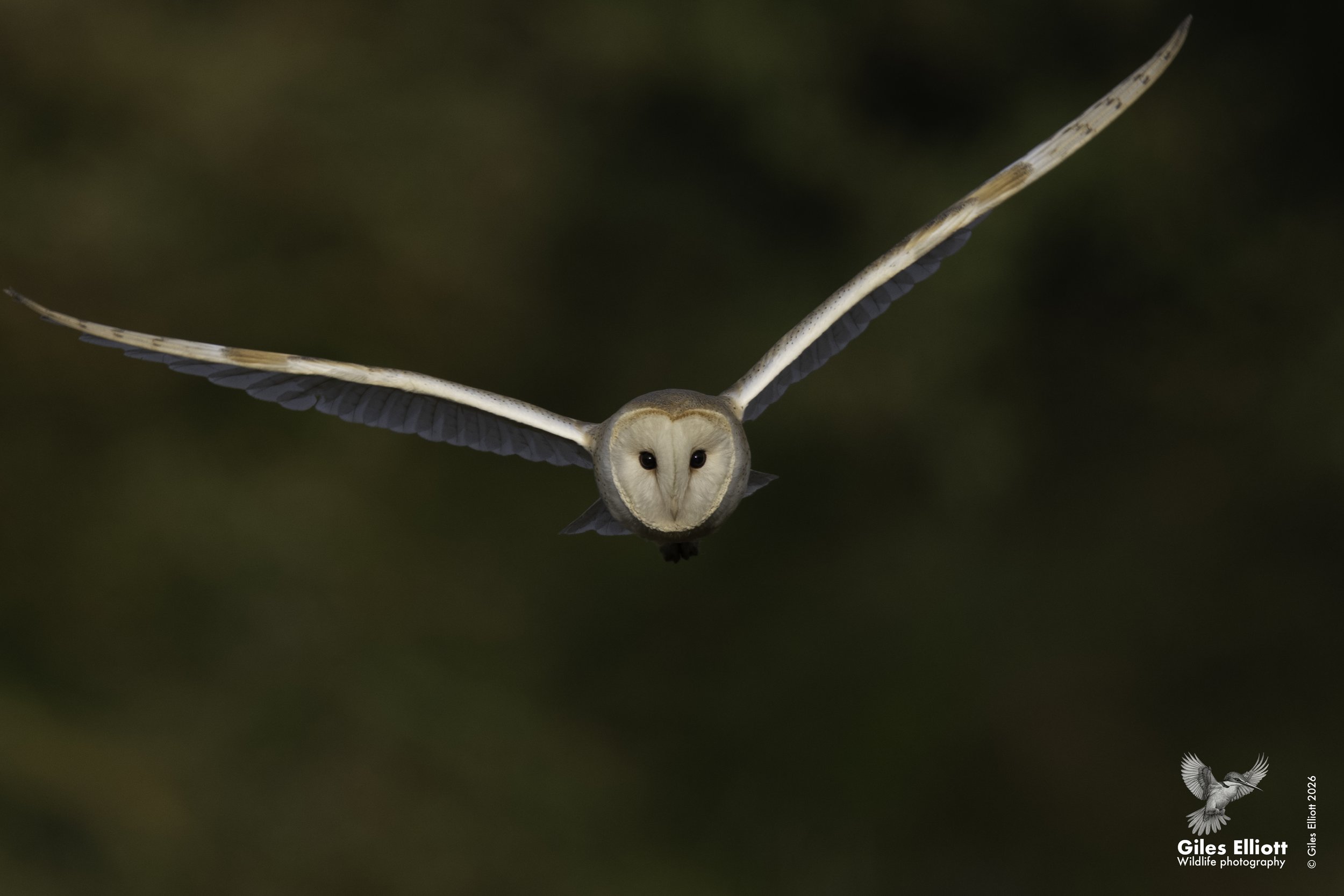
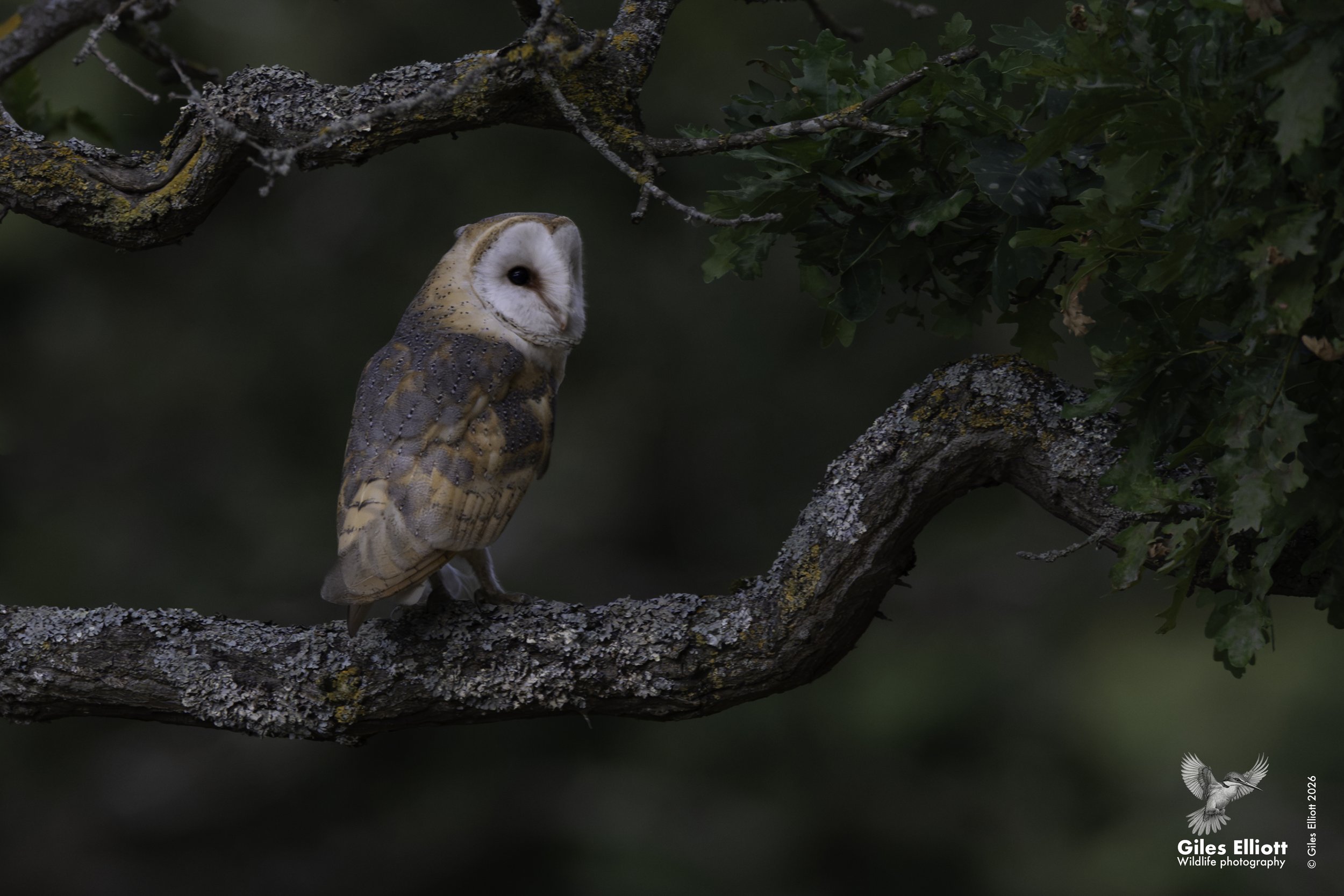
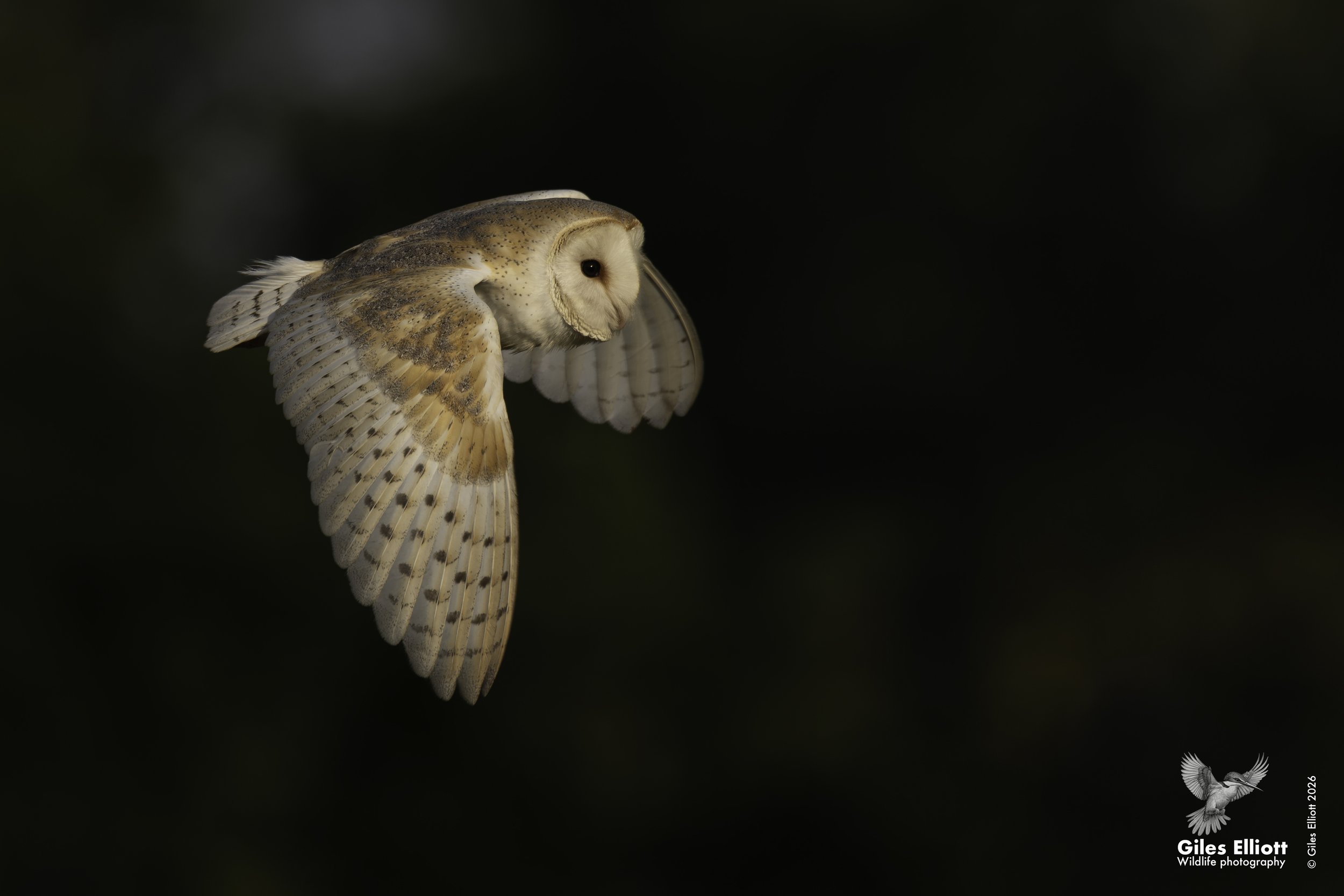
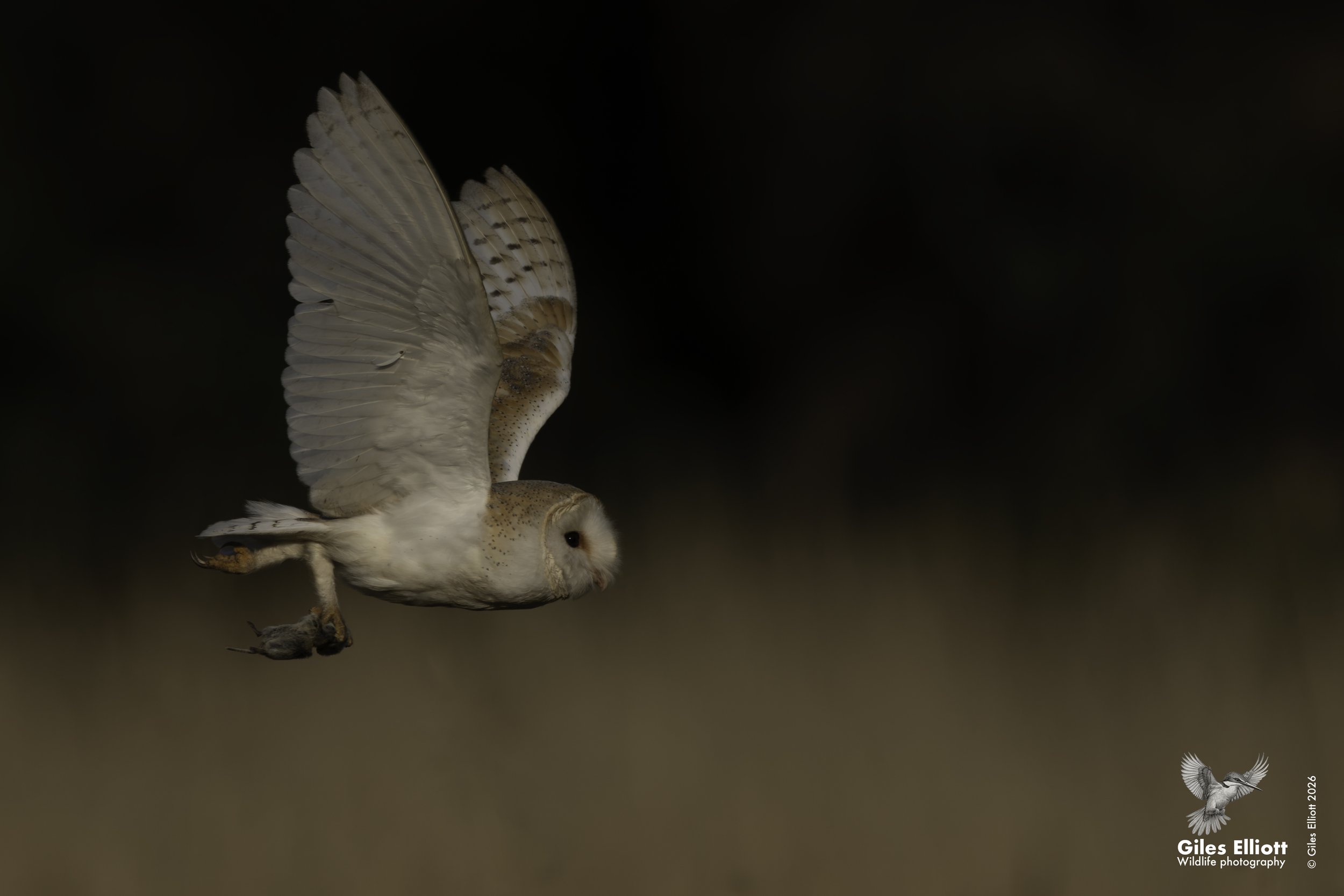
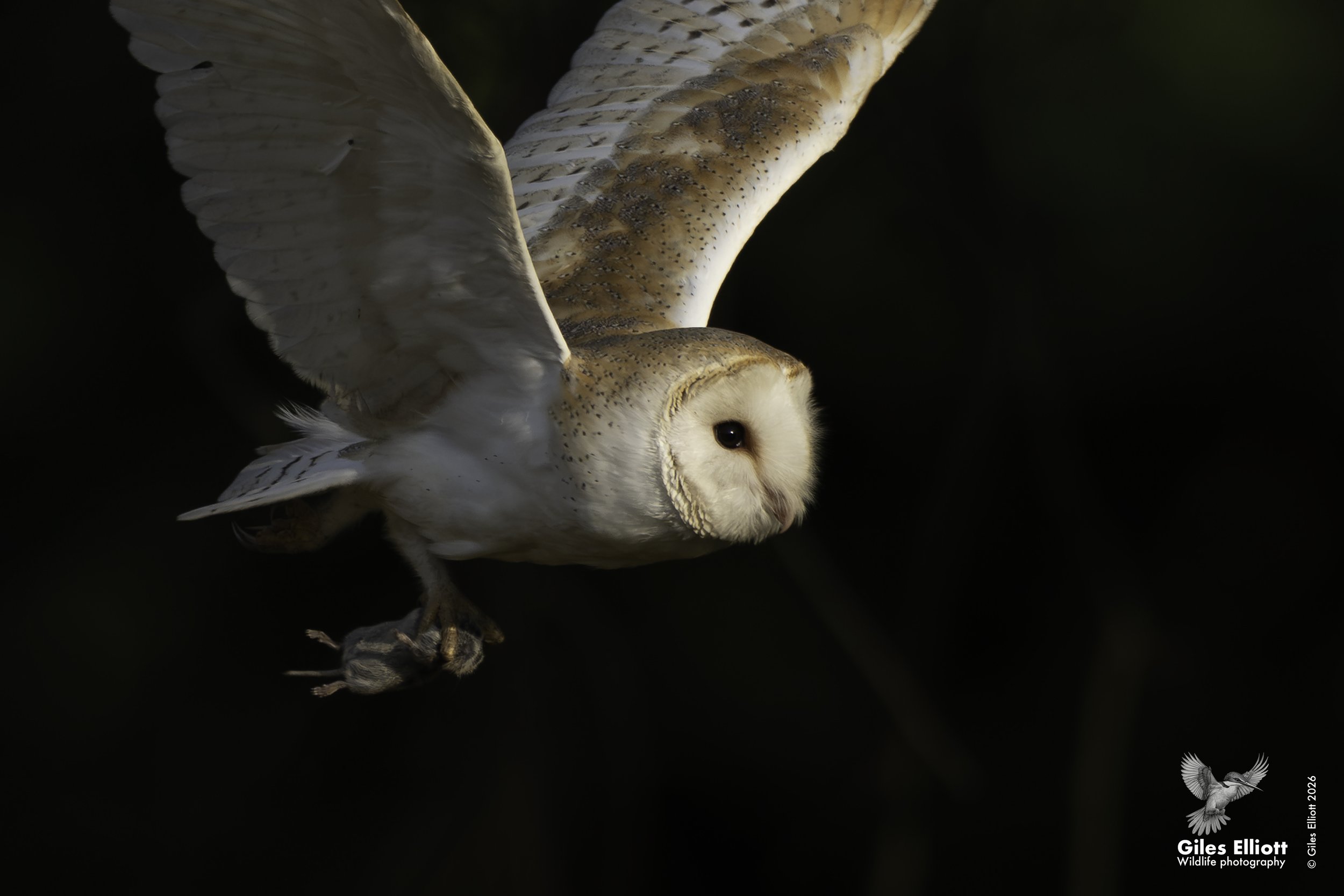
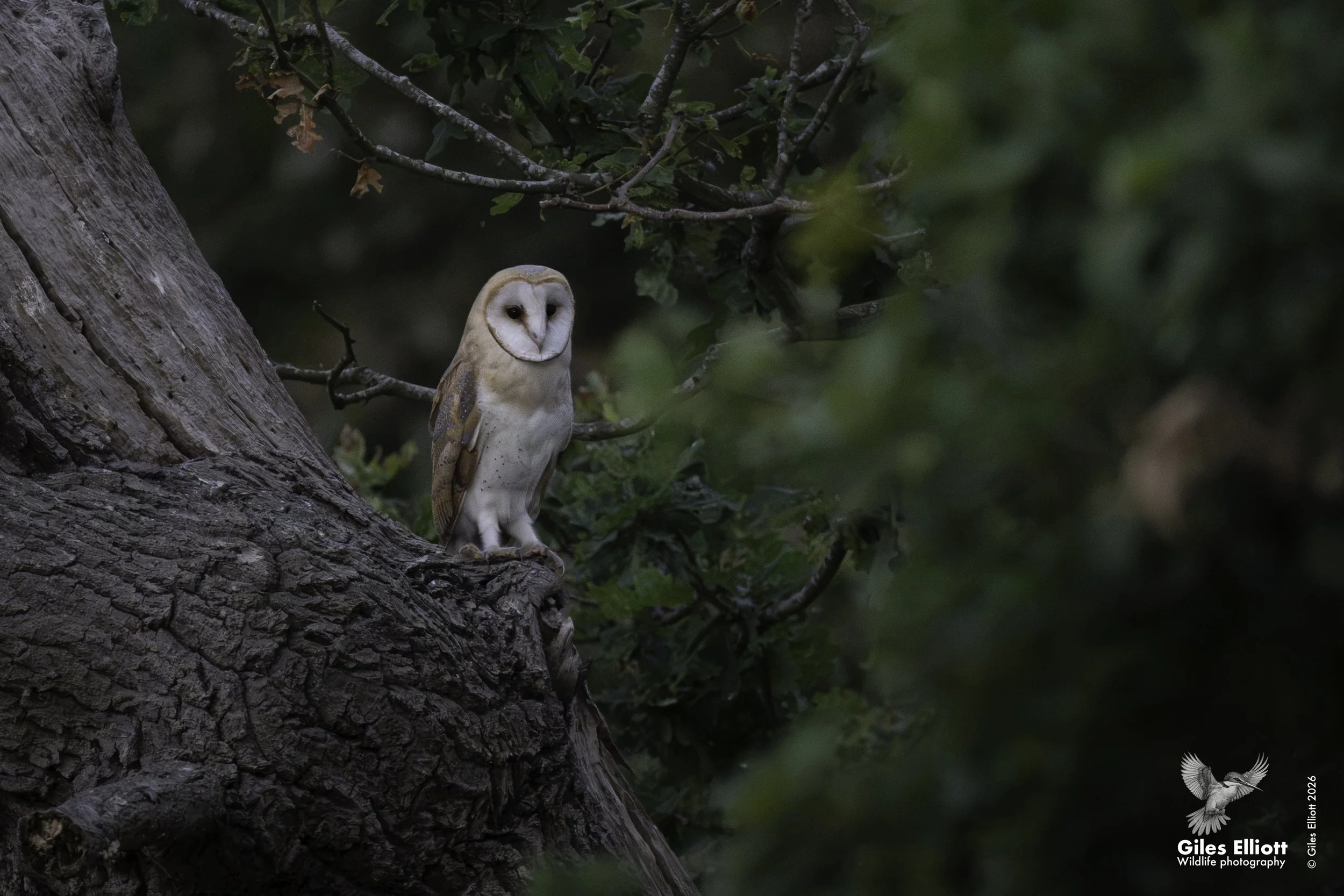
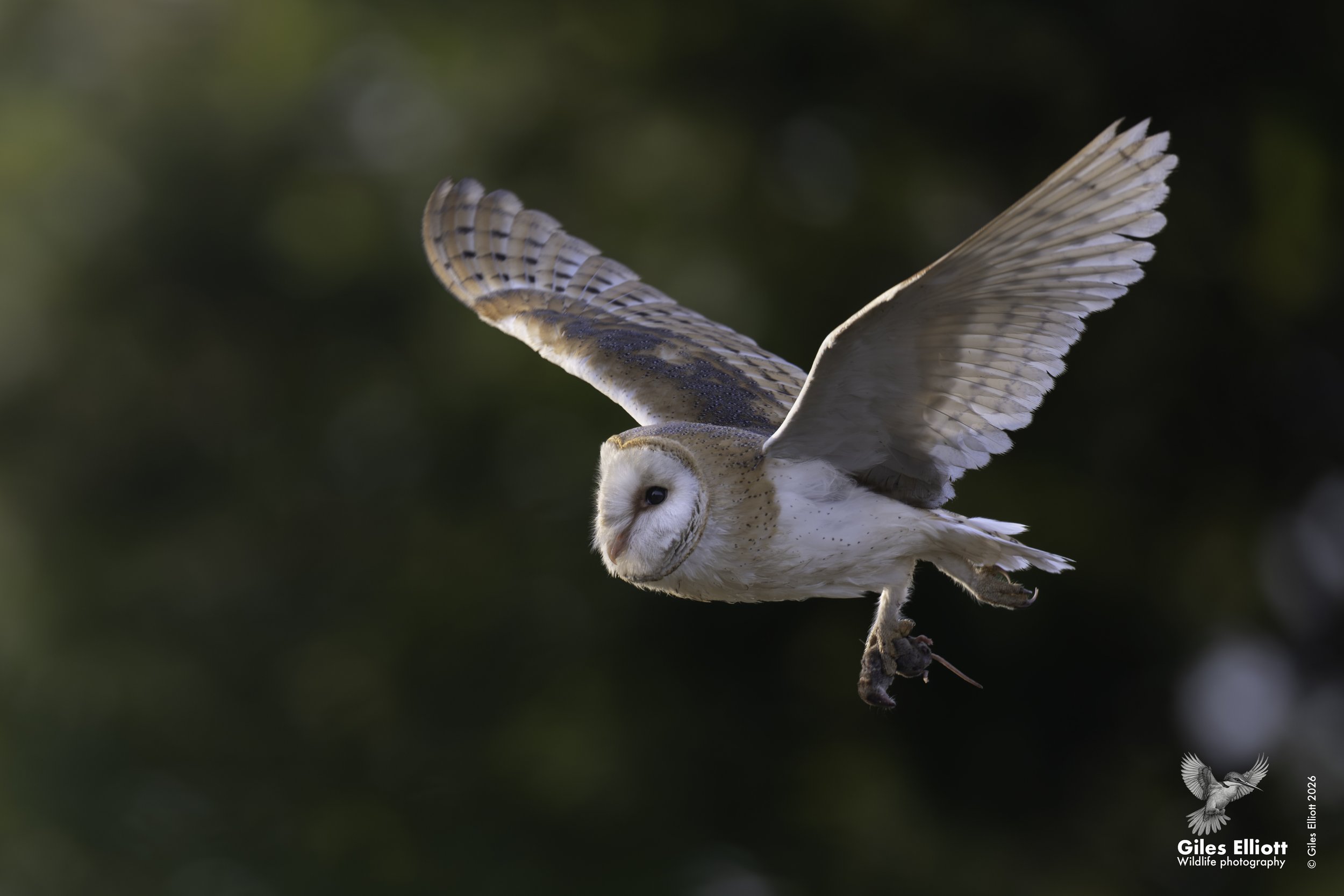
Barn owls have provided plenty of challenge to photograph. First, finding them; then overcoming the technical challenges of photographing in the low light of an evening, or an early dawn.
It really tests the limits of the kit - you need a long telephoto lens to give the owls space to fly and hunt undisturbed, and you need to have bright lenses to grab every little bit of light available, and if possible a high-resolution camera so you can crop in to get the owls to a reasonable size in the final frame. It has taken me a lot of failed attempts to get the unusual settings required.
The technical challenge makes getting the shots all the more special.
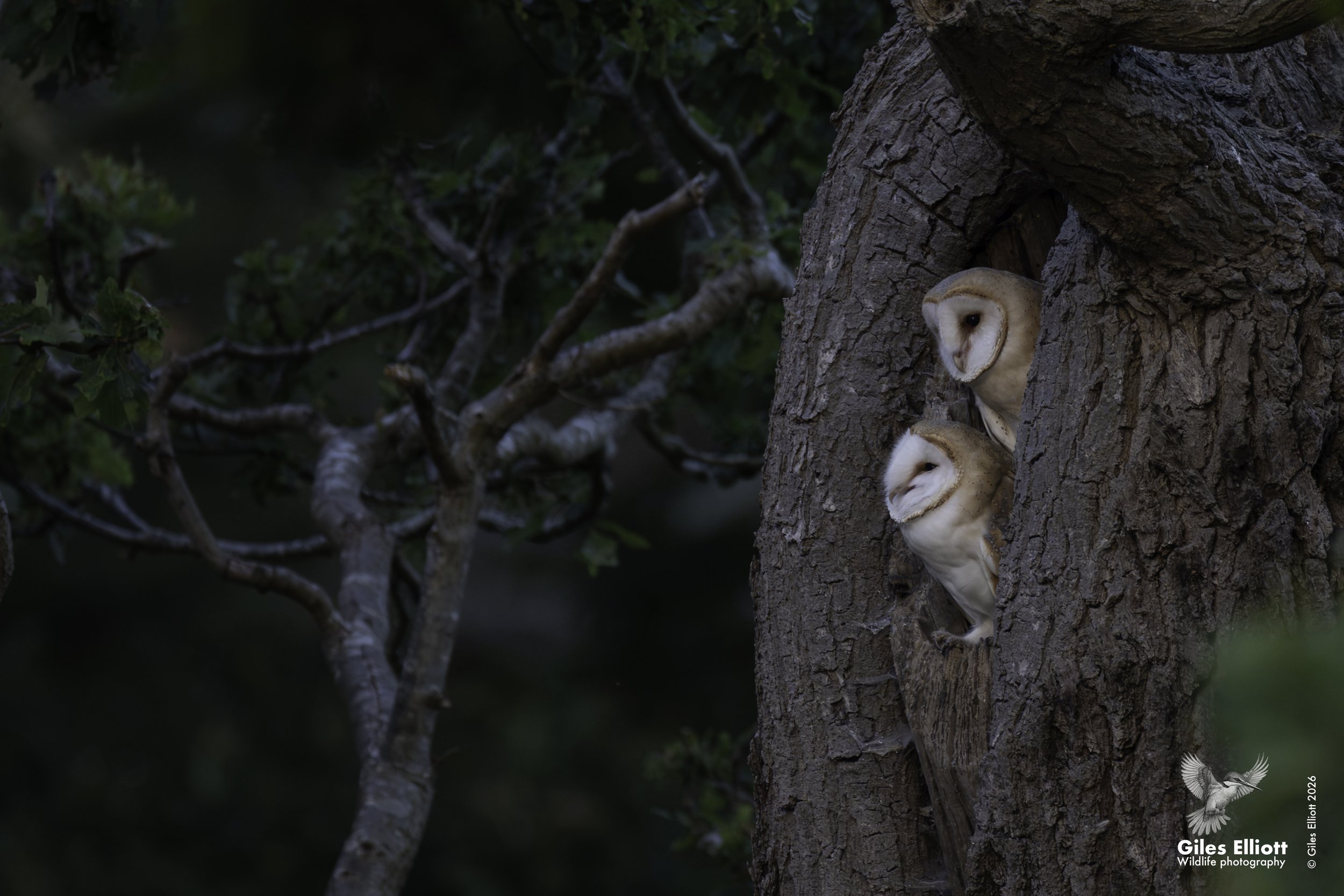
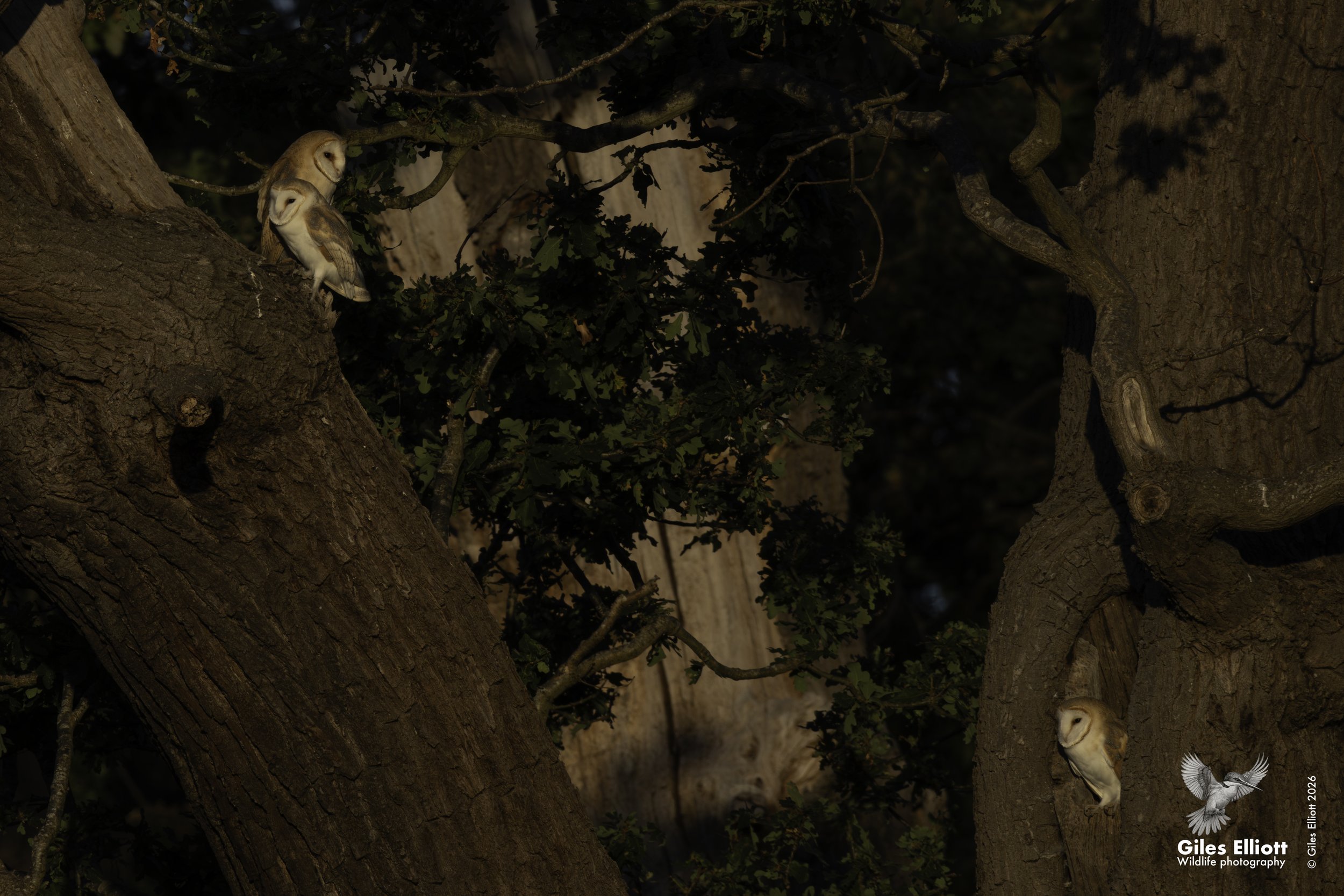
This year’s young
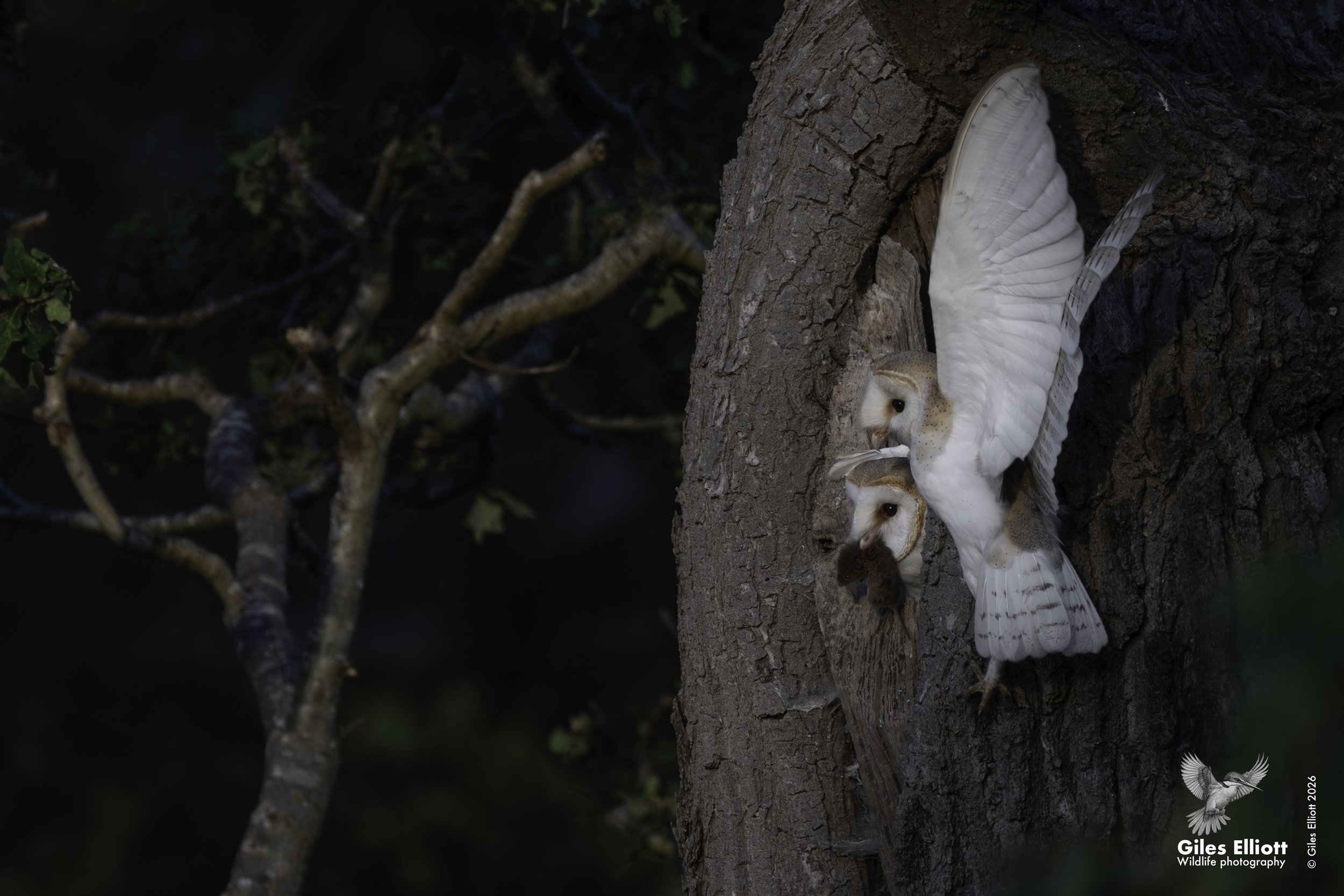
There are reports that it has been a great year for barn owl broods, with a good availability of voles allowing parent birds to feed larger broods.
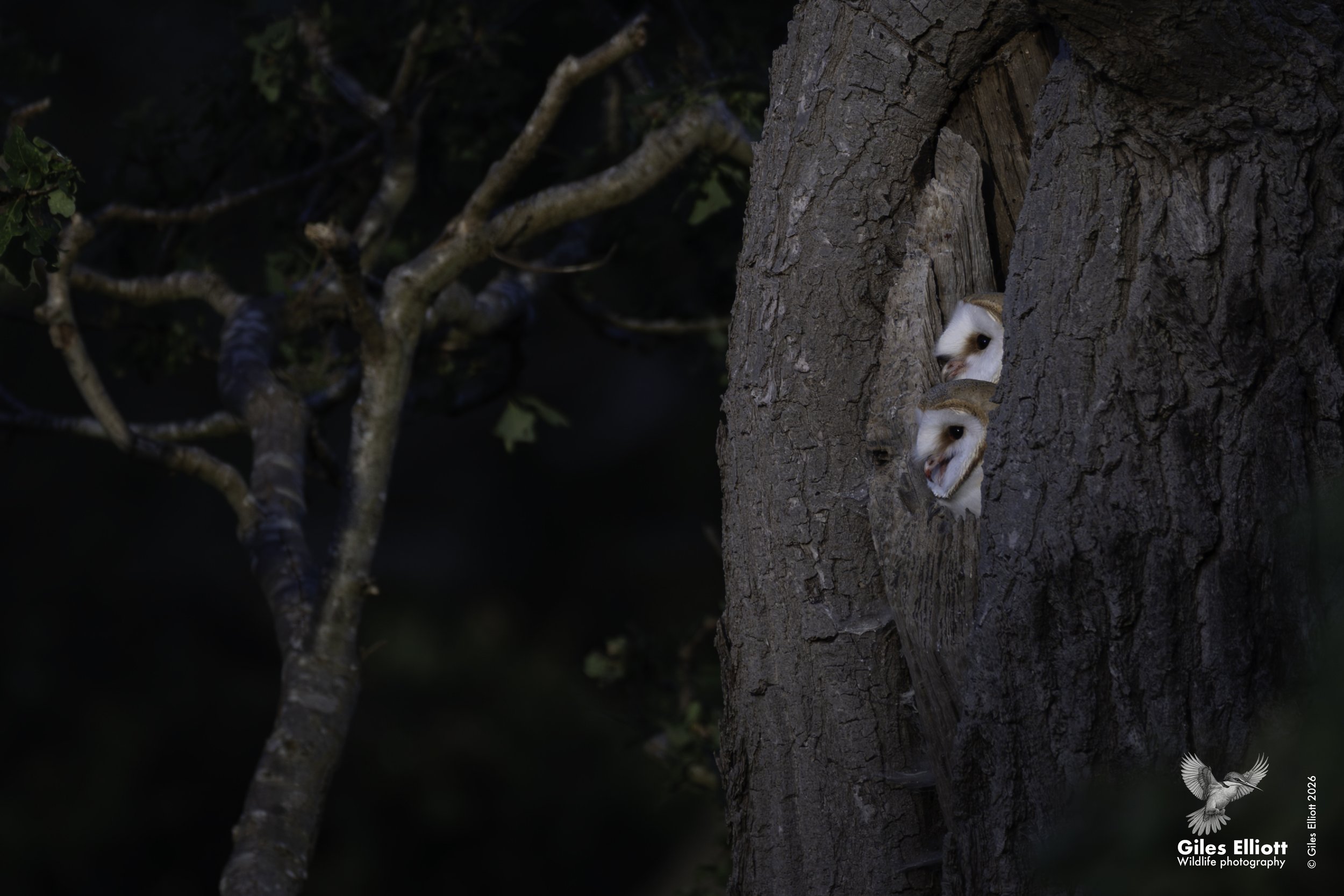
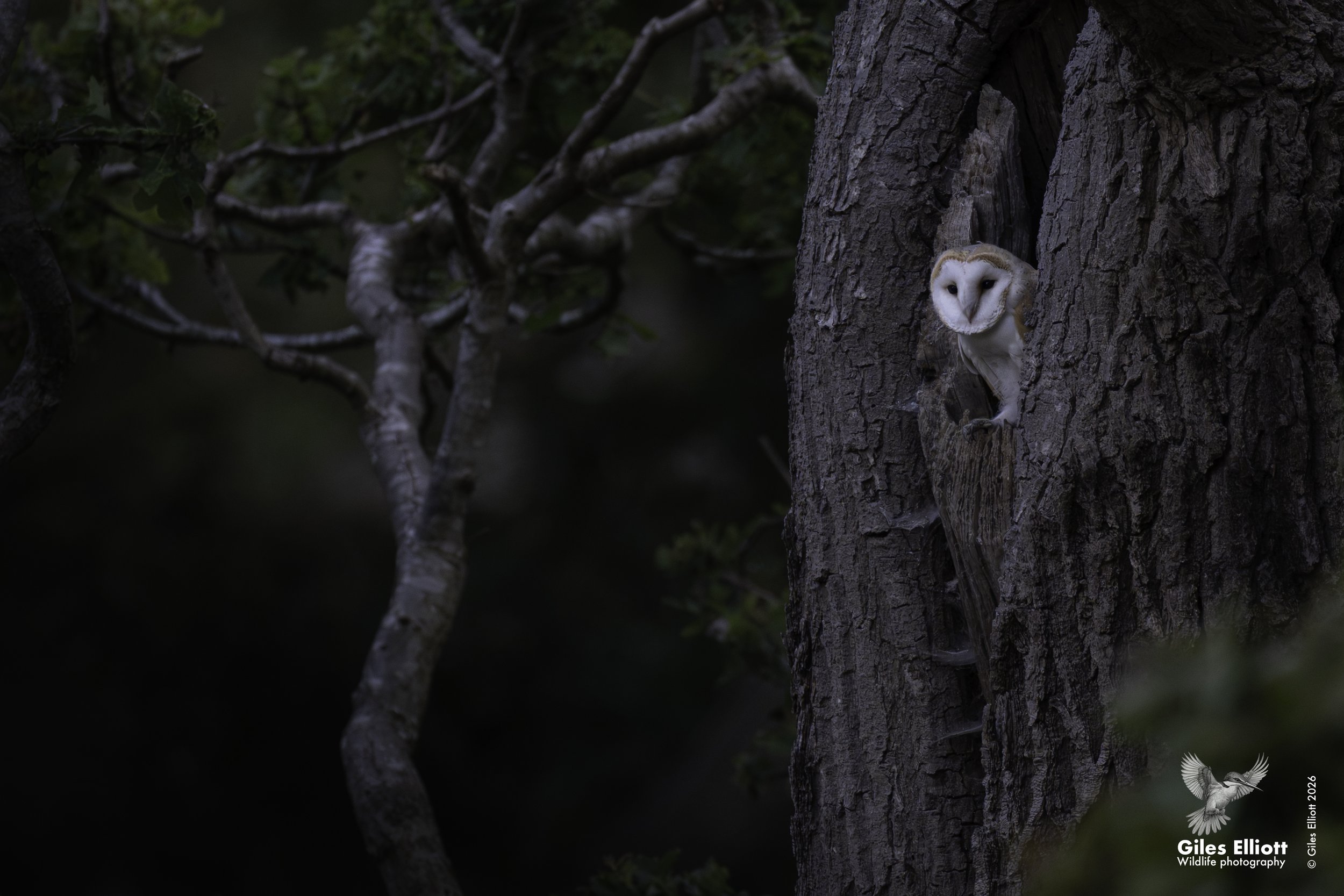
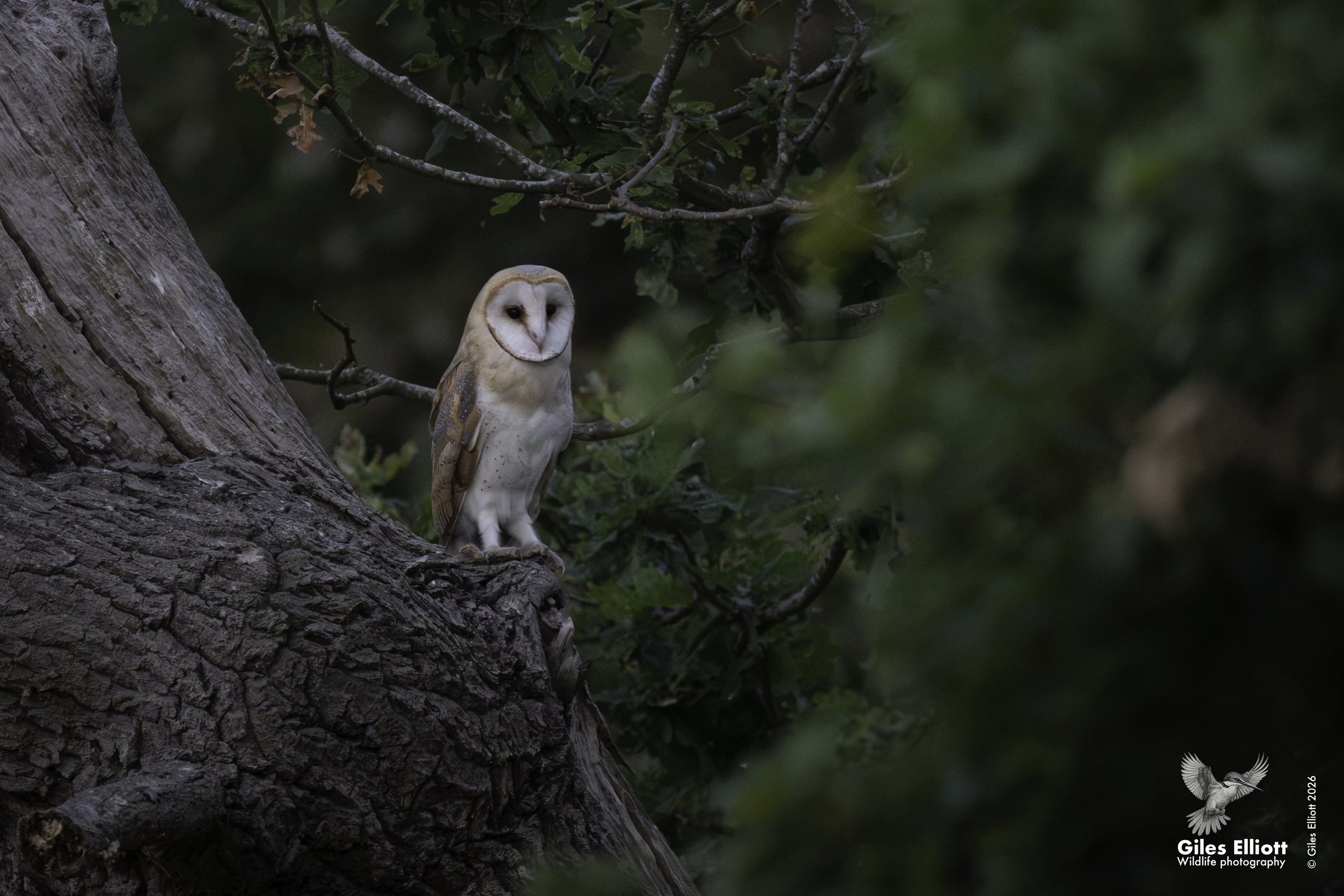
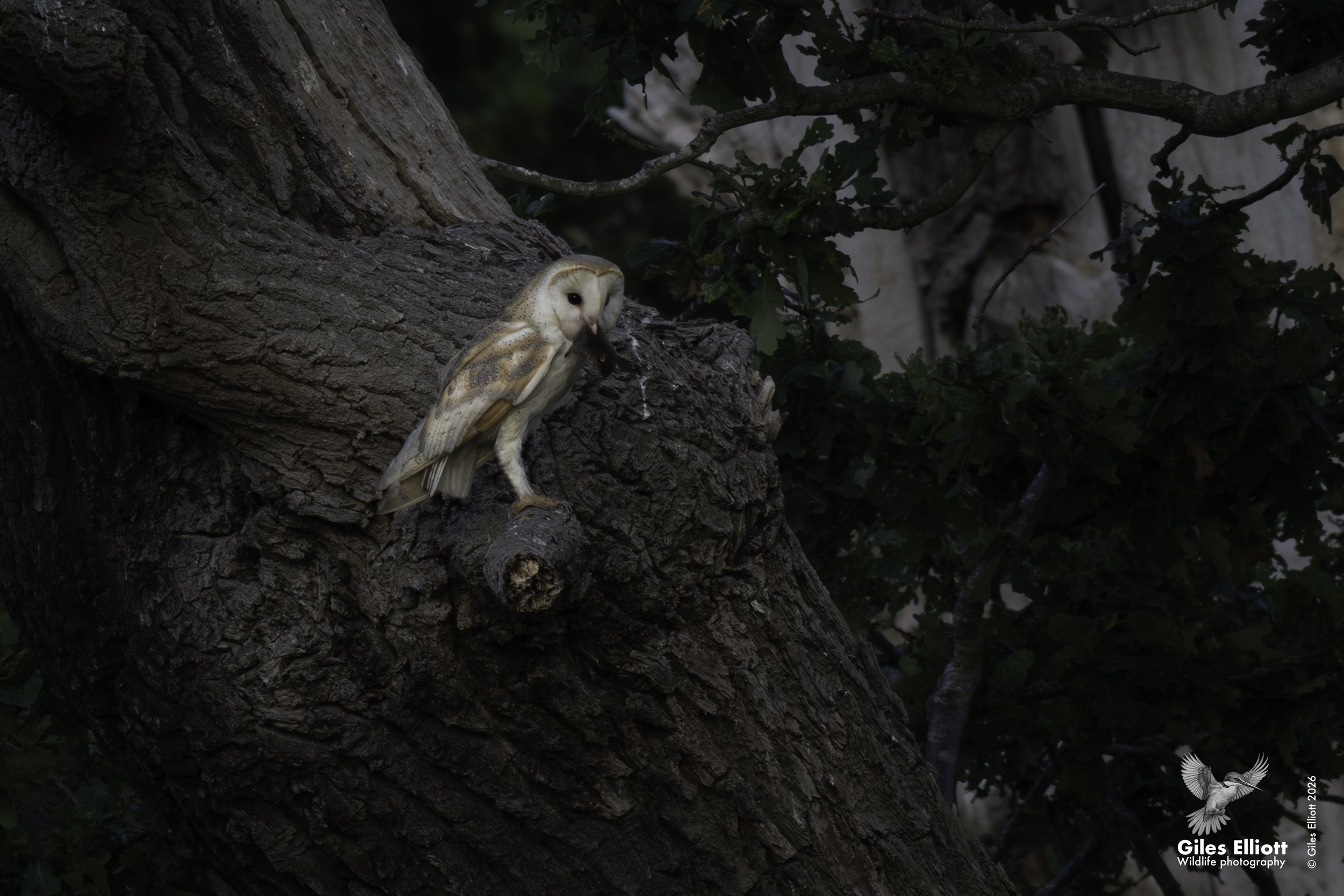
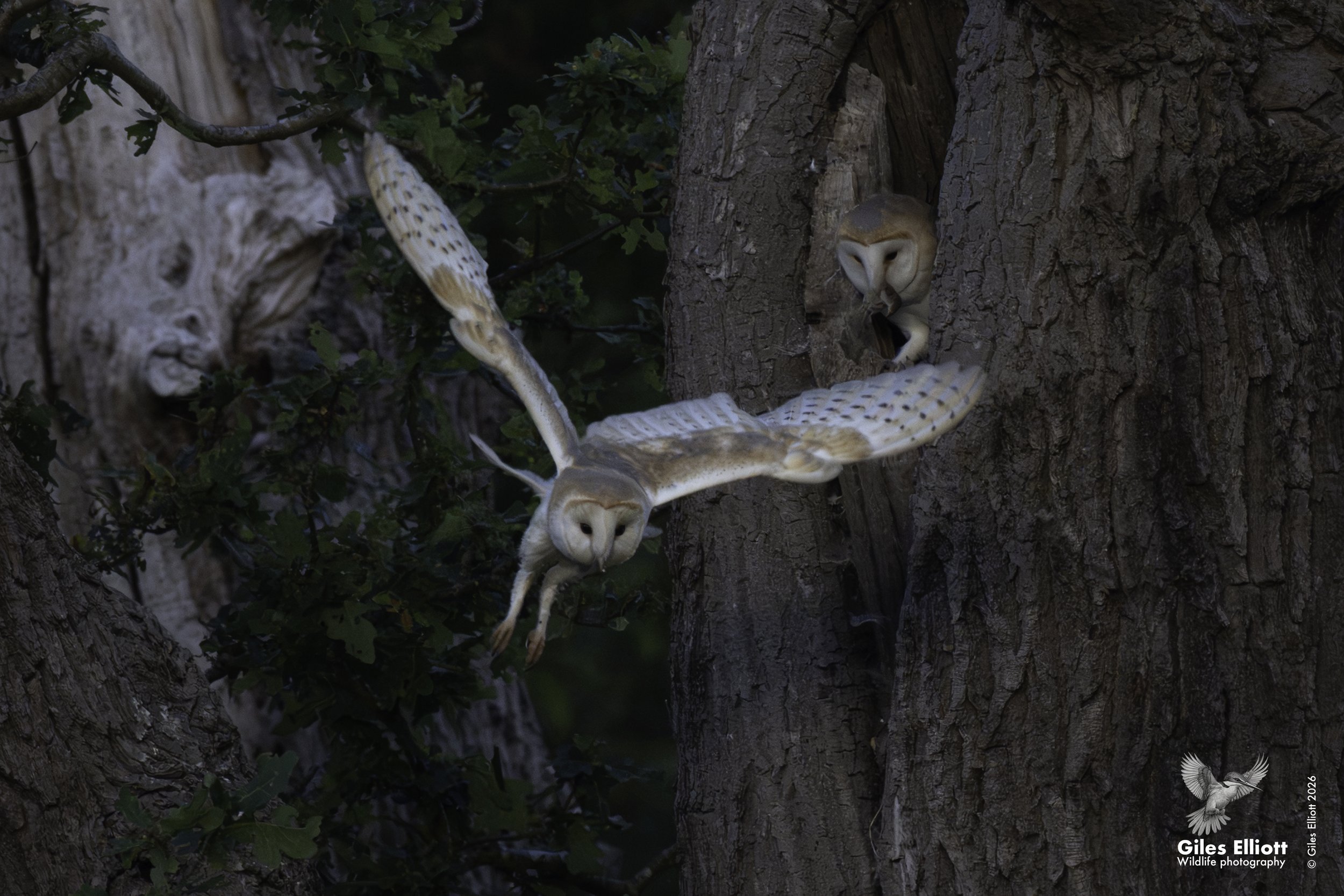
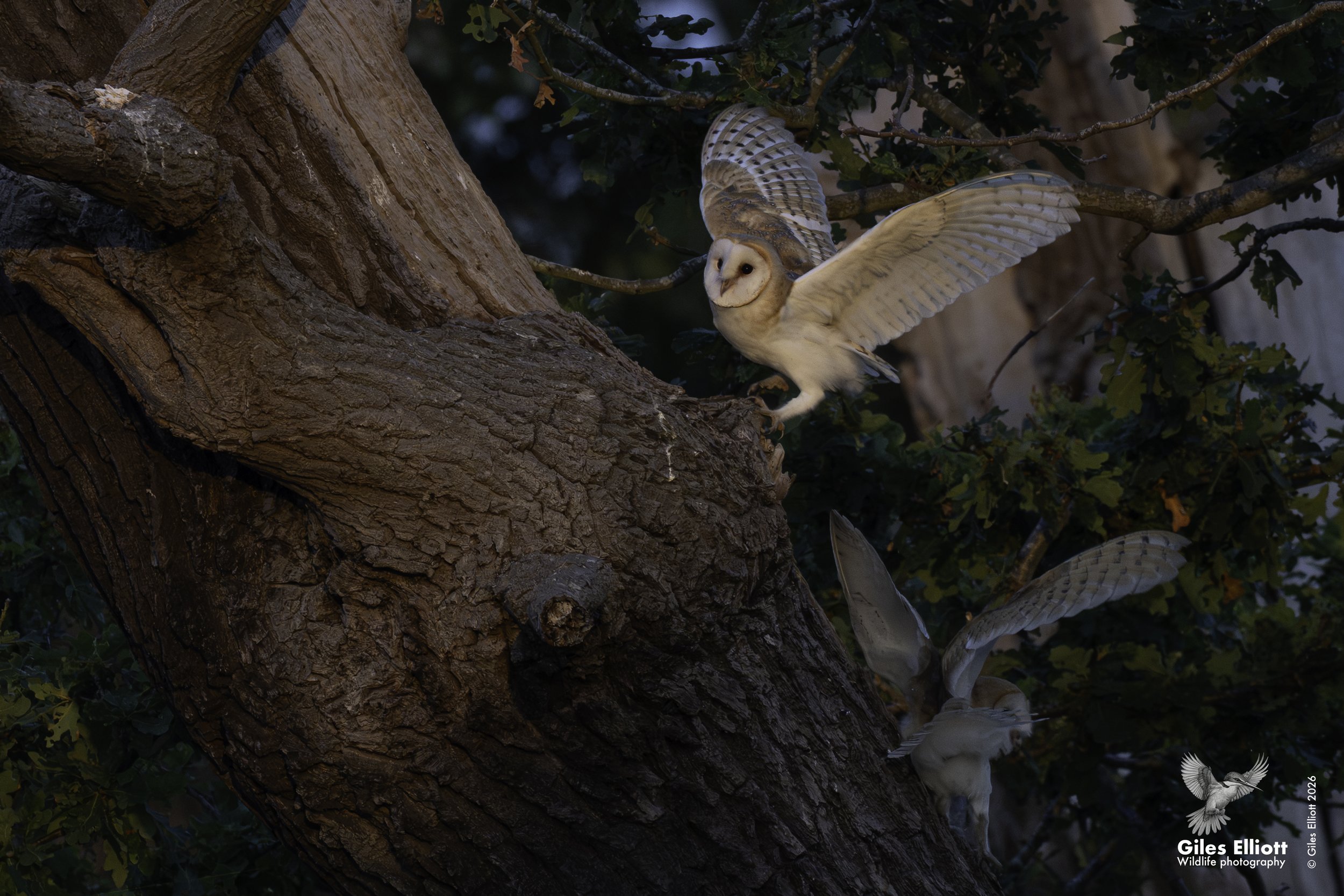
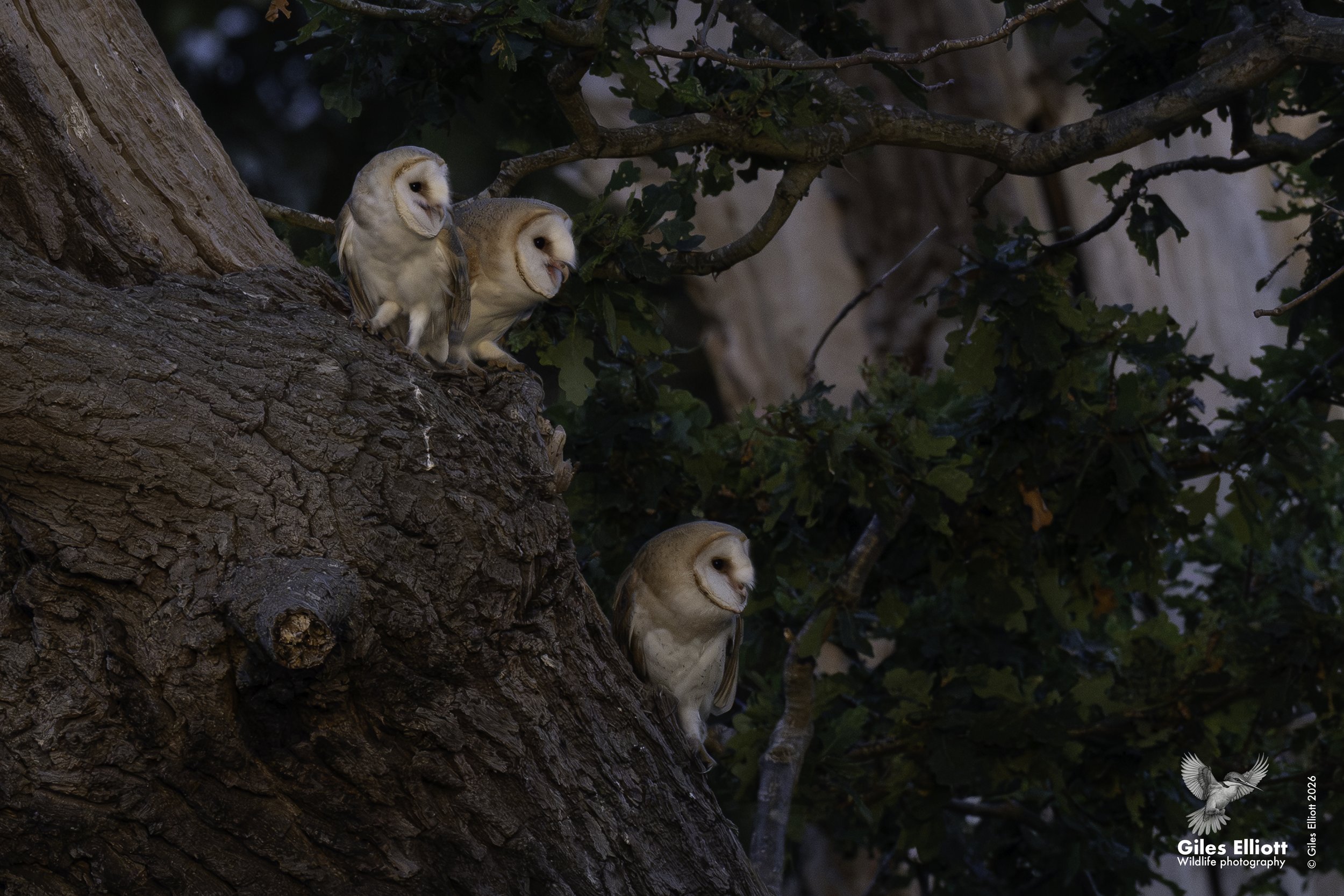
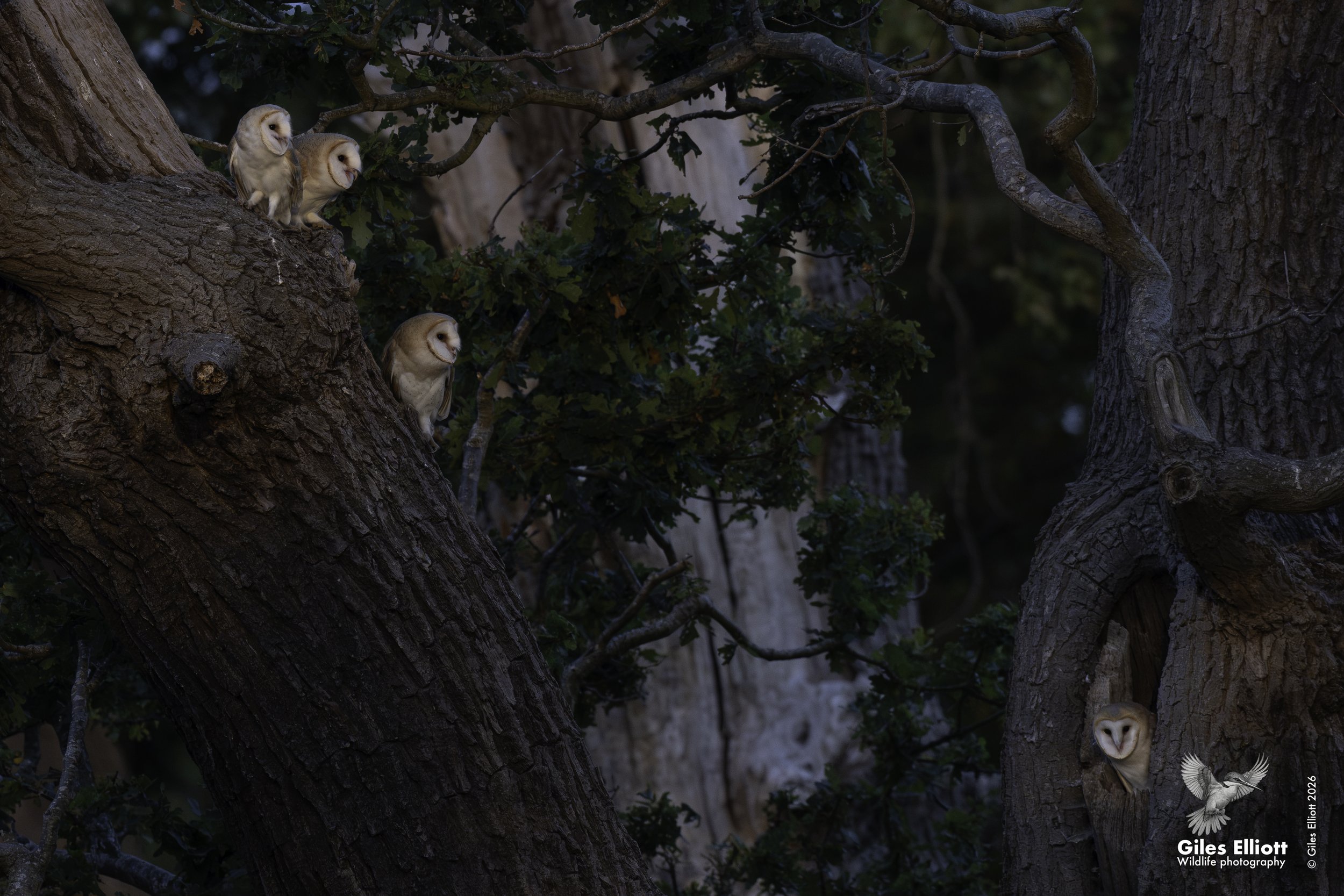
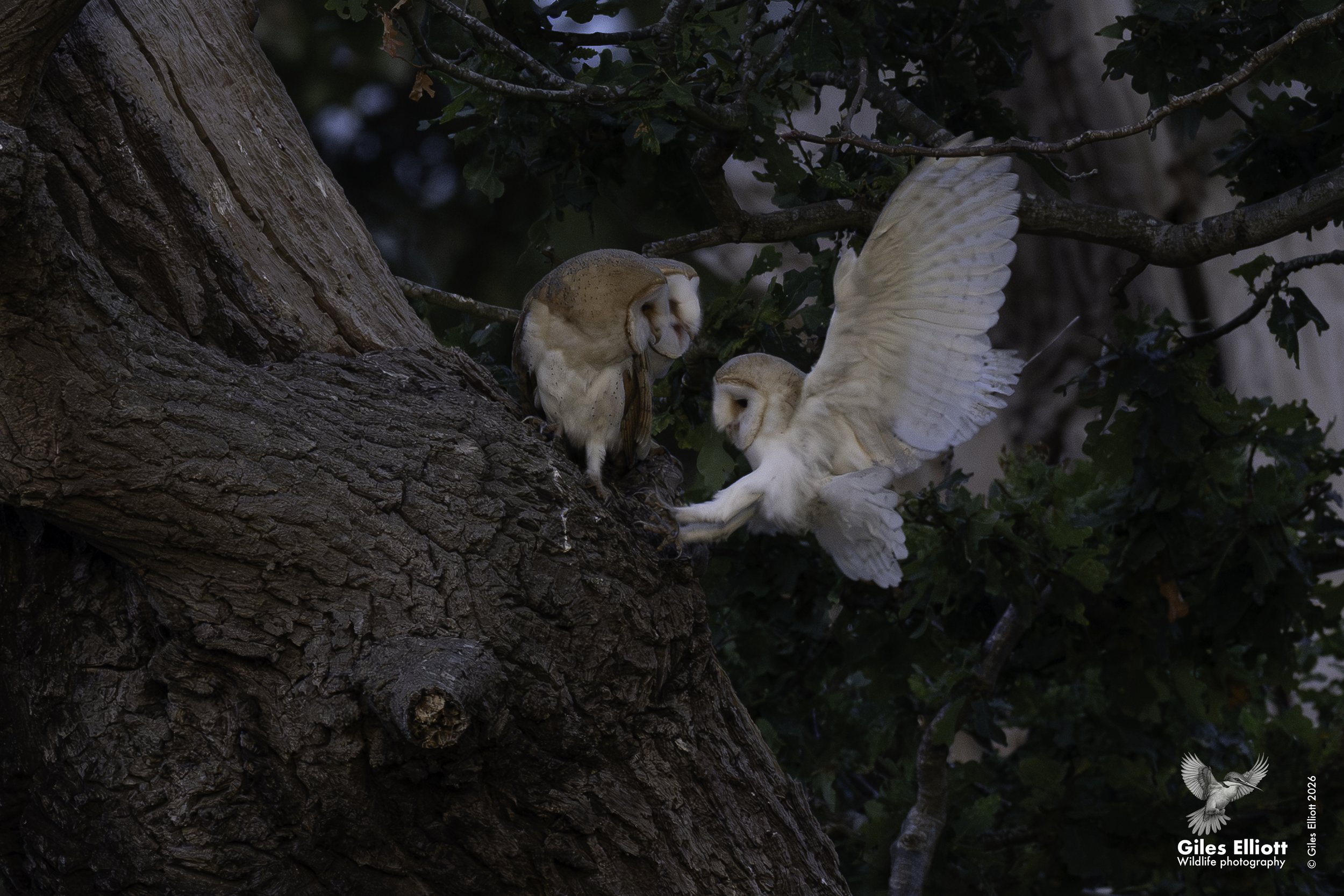
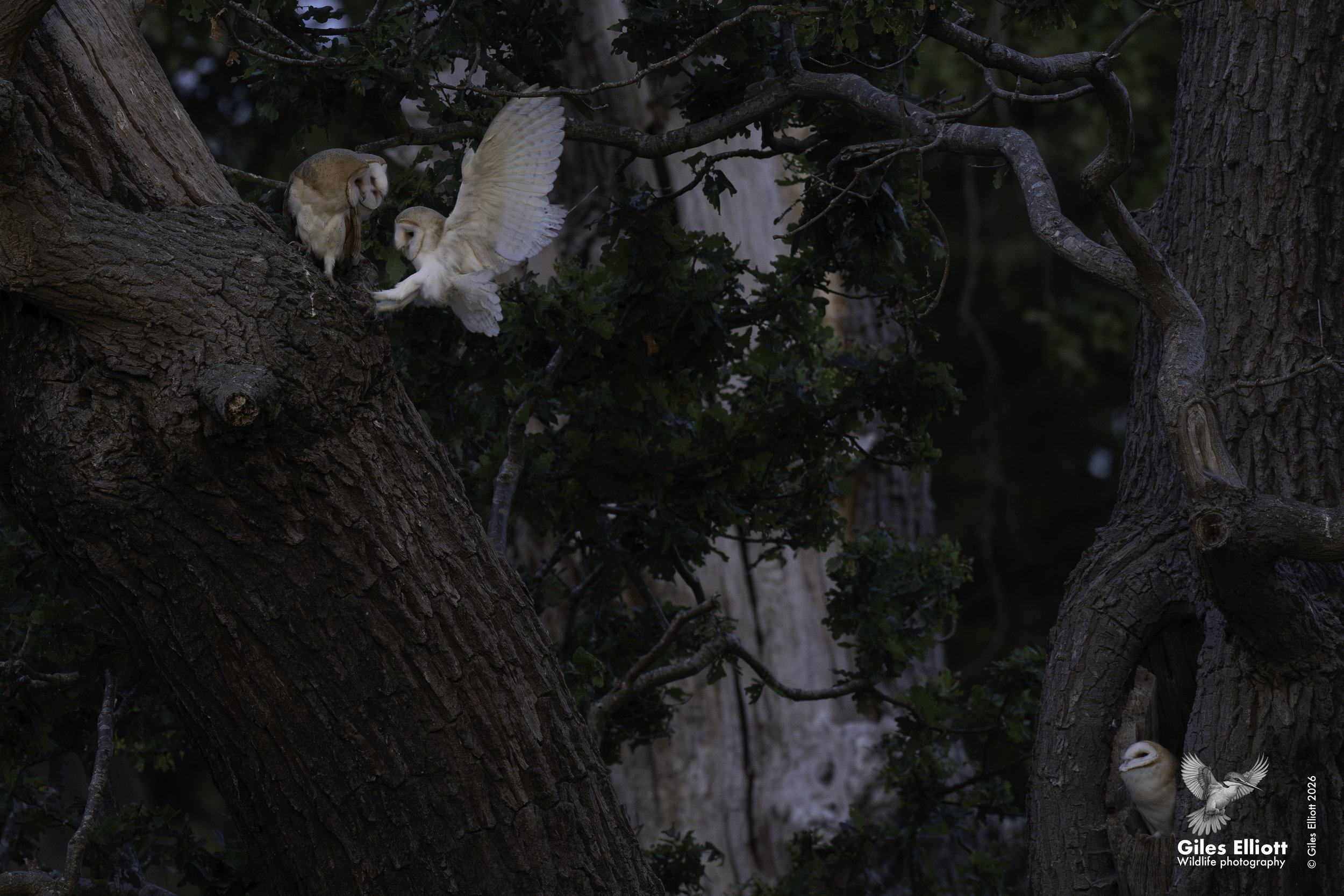
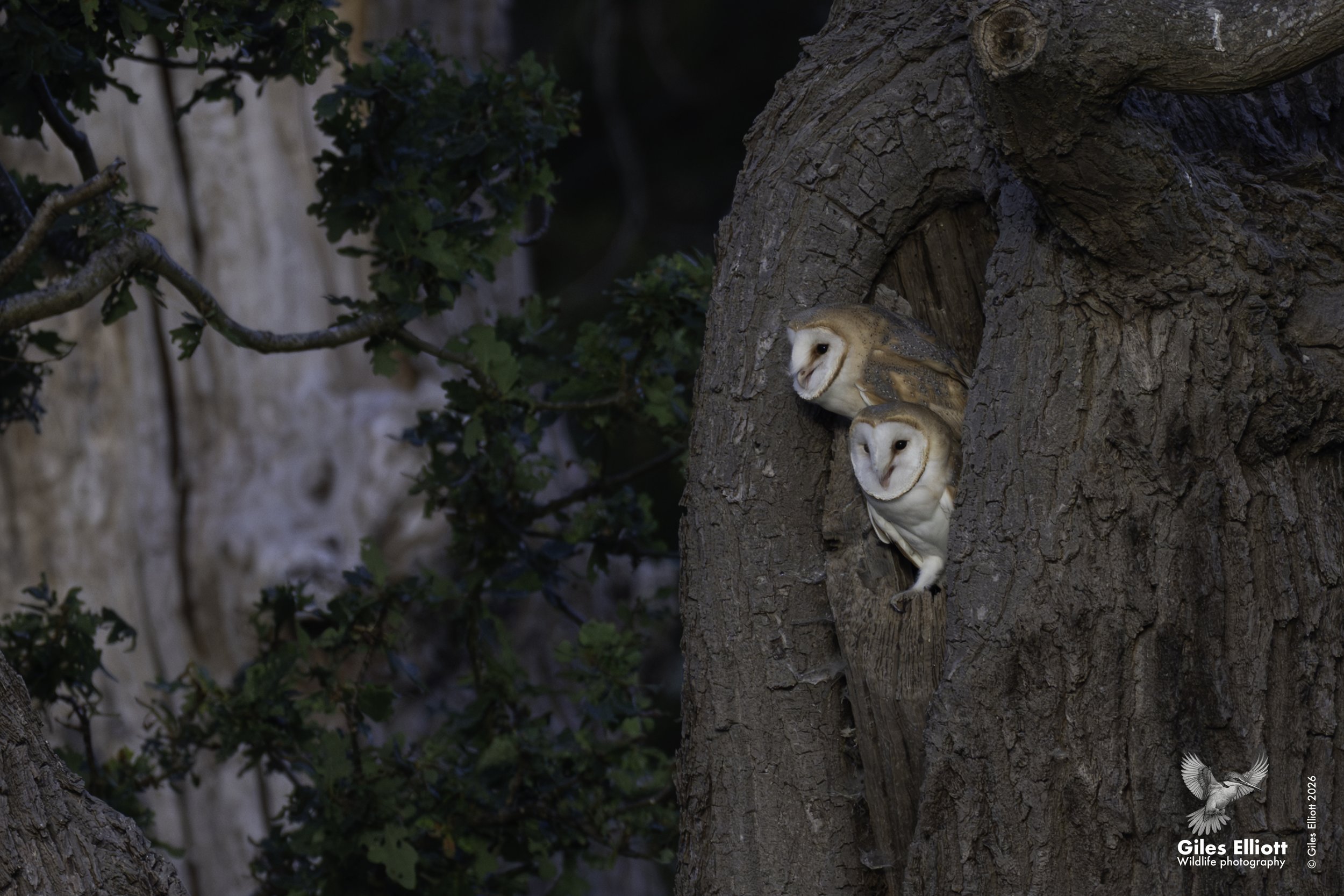
The birds I watched fledged and the young took up residence in multiple trees - from a distance I could not see all the young, but I think there were five young successfully fledged. Two of the young happily chose a hole in a tree that faced out of the copse and so they could be seen from a good distance, and it is that pair I photographed, but their siblings could be heard in the surrounding trees.
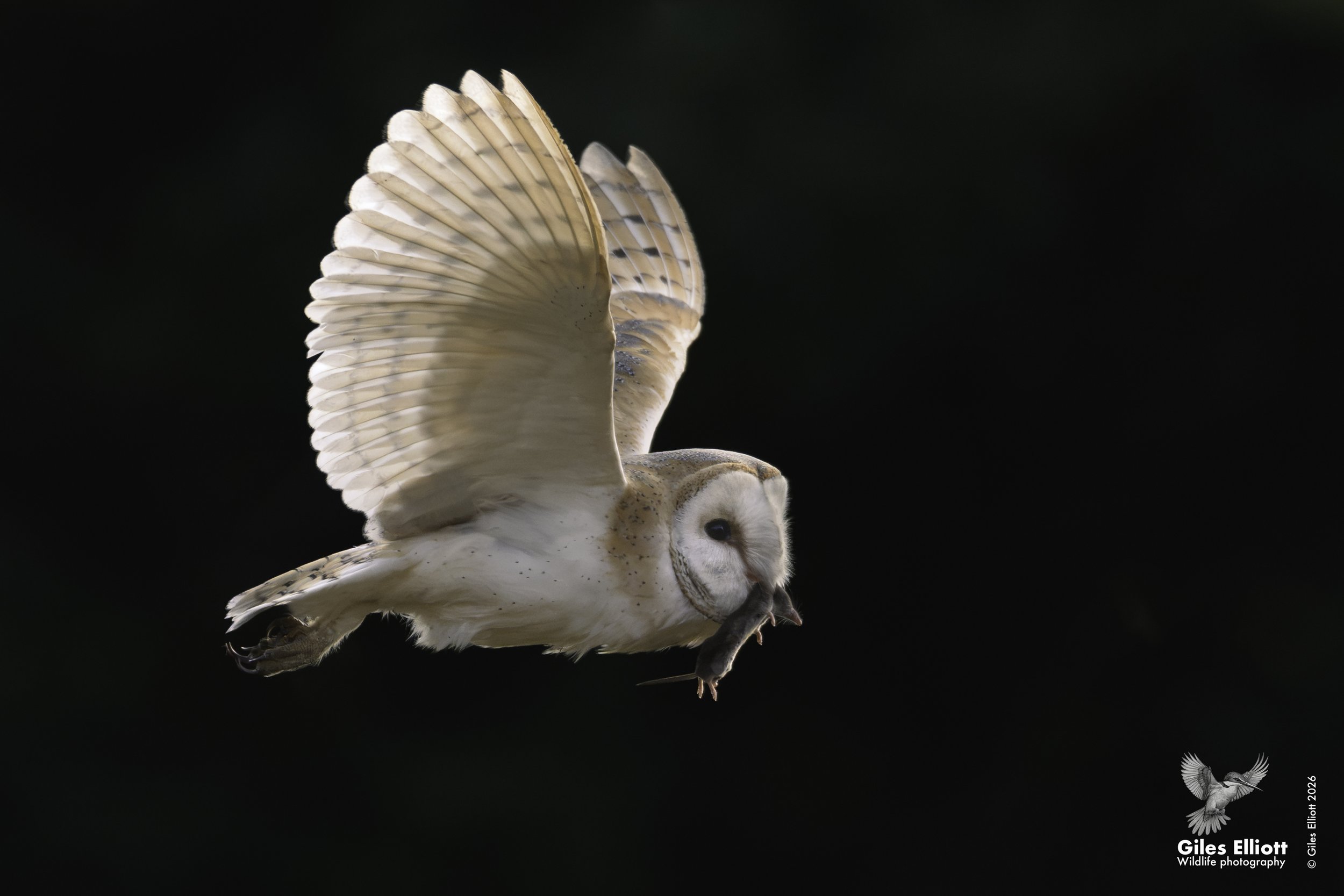
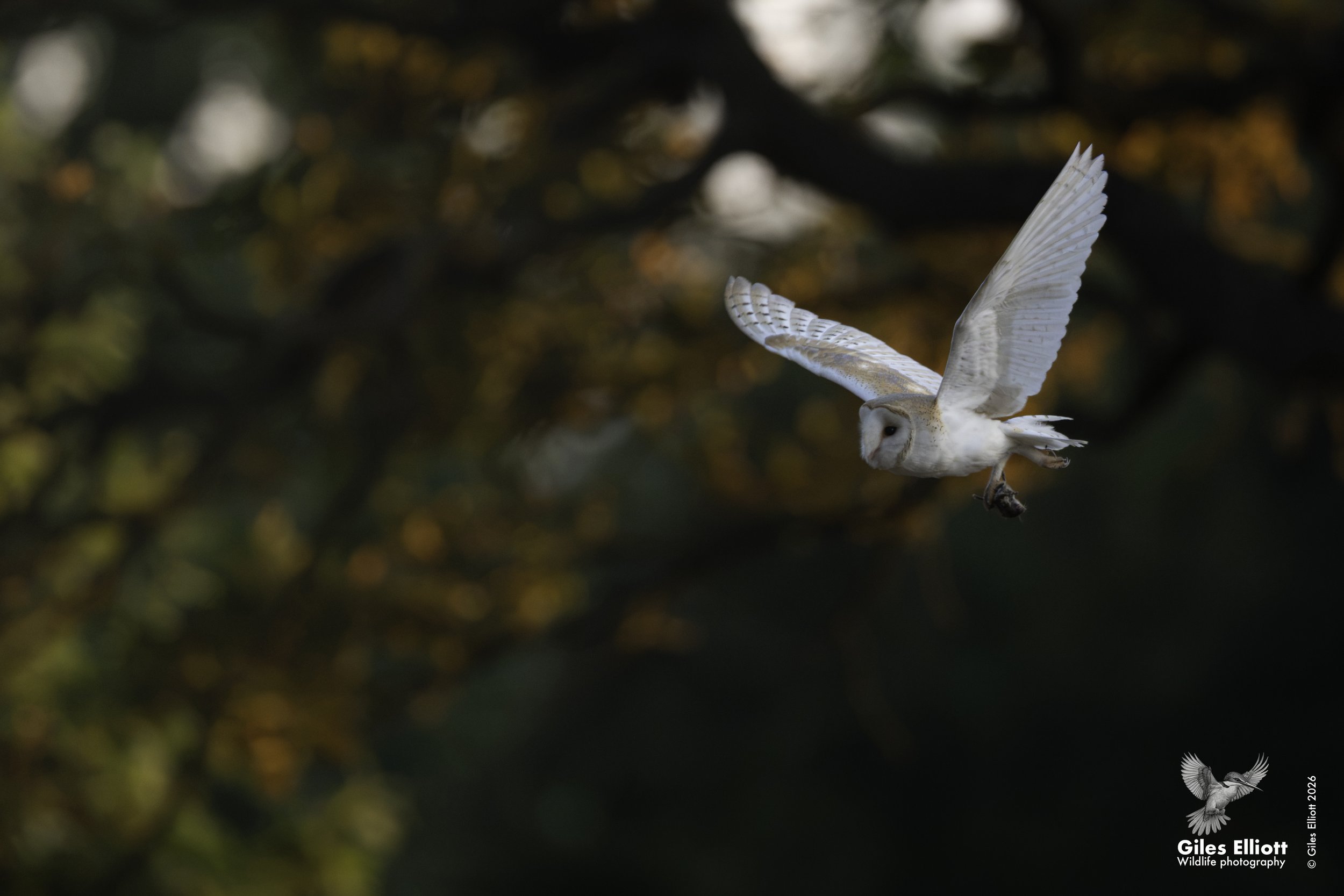
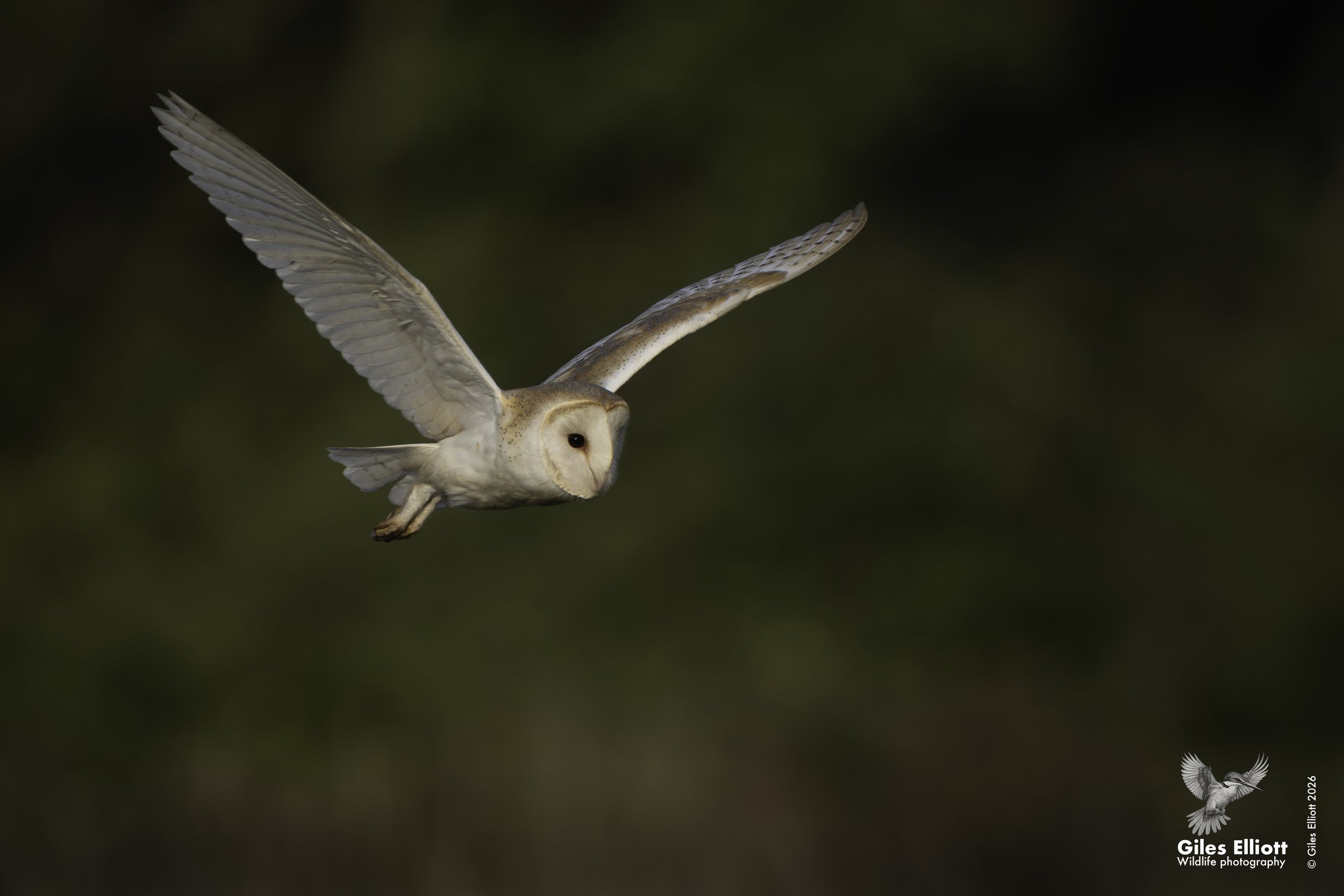
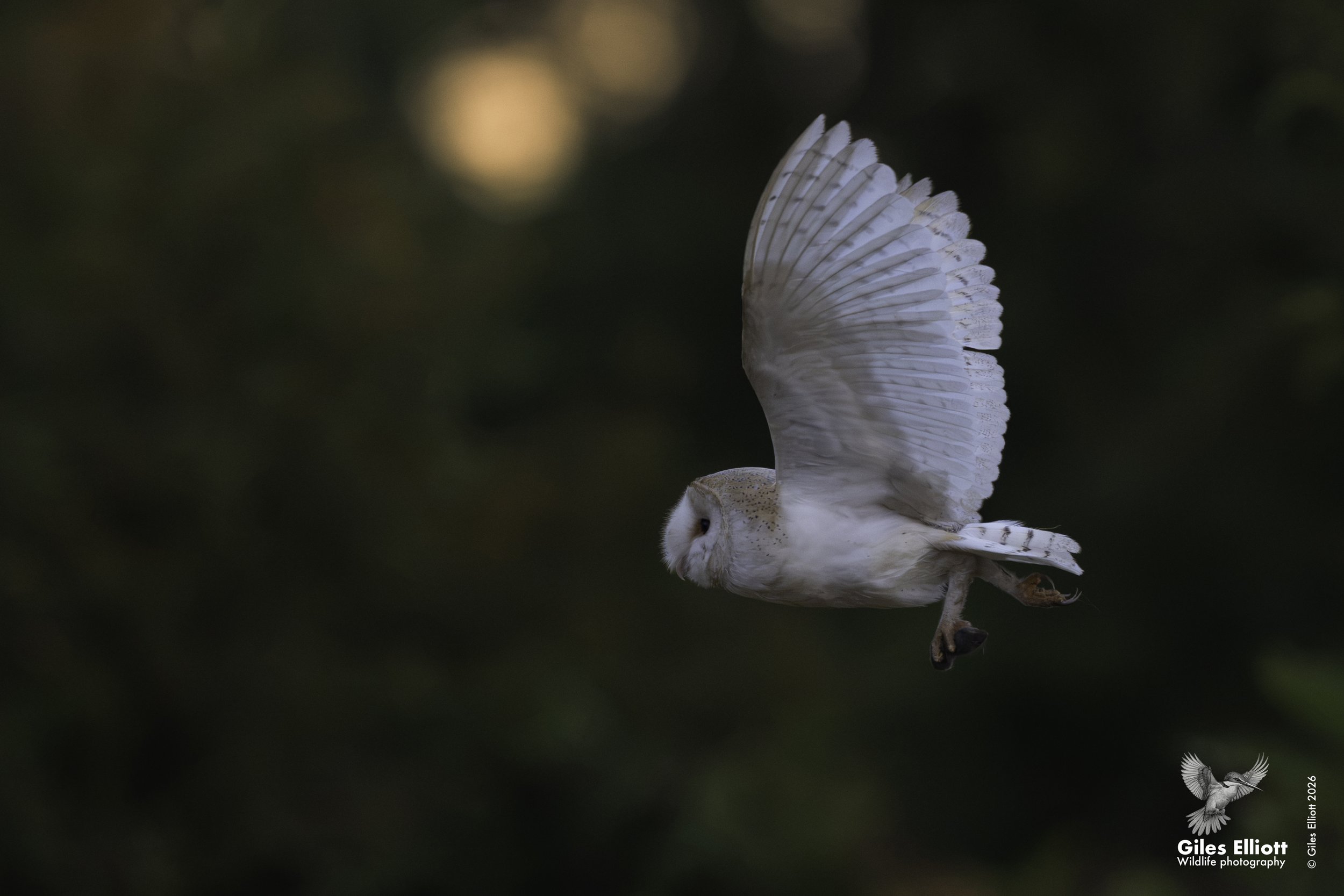
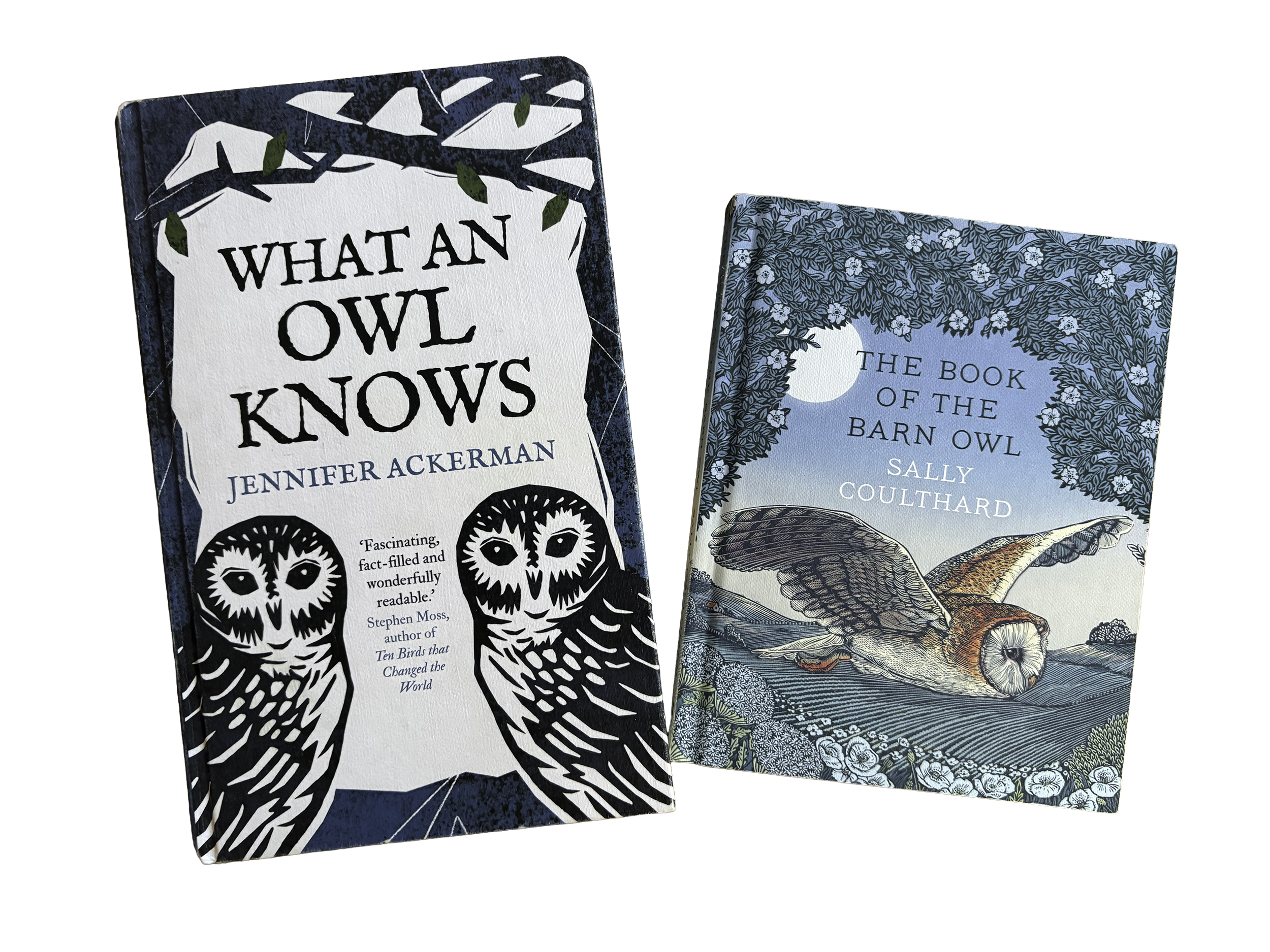
If these photographs have spiked your interest, then I would recommend two very different books - one looking at the science on owls, the other a poetic record of barn owls’ place in our culture, and charming anecdotes about them. I think it says a lot about these owls that both books exist - owls transcend the ‘bird watcher’ interest, and seem to have a special place in everyone’s thoughts.